Quick answer
Micellar water is best for light makeup, sunscreen residue, and gentle first-pass removal. It starts feeling tight when the cotton pad is too dry, the same area is rubbed too many times, or the formula is left on skin that prefers a rinse. The fix is simple: saturate the pad, press before wiping, and rinse or follow with a mild cleanser whenever skin feels sticky, dry, or reactive.
- Use it when makeup is light, the base is flexible, or you only need to clean an edge.
- Switch to cleansing oil or balm for long-wear foundation, heavy sunscreen, or waterproof mascara.
- Rinse if your face feels tight after use, even when the product says no-rinse.
- Use a fresh cotton area before going over the same cheek, lip line, or lash line again.
Micellar water is popular because it feels simple: cotton pad, swipe, done. It can be useful for light makeup, sunscreen touch-ups, and cleaning the edge of lipstick or mascara mistakes. But tight skin afterward is a sign that the routine is asking too much from one product or one cotton pad.
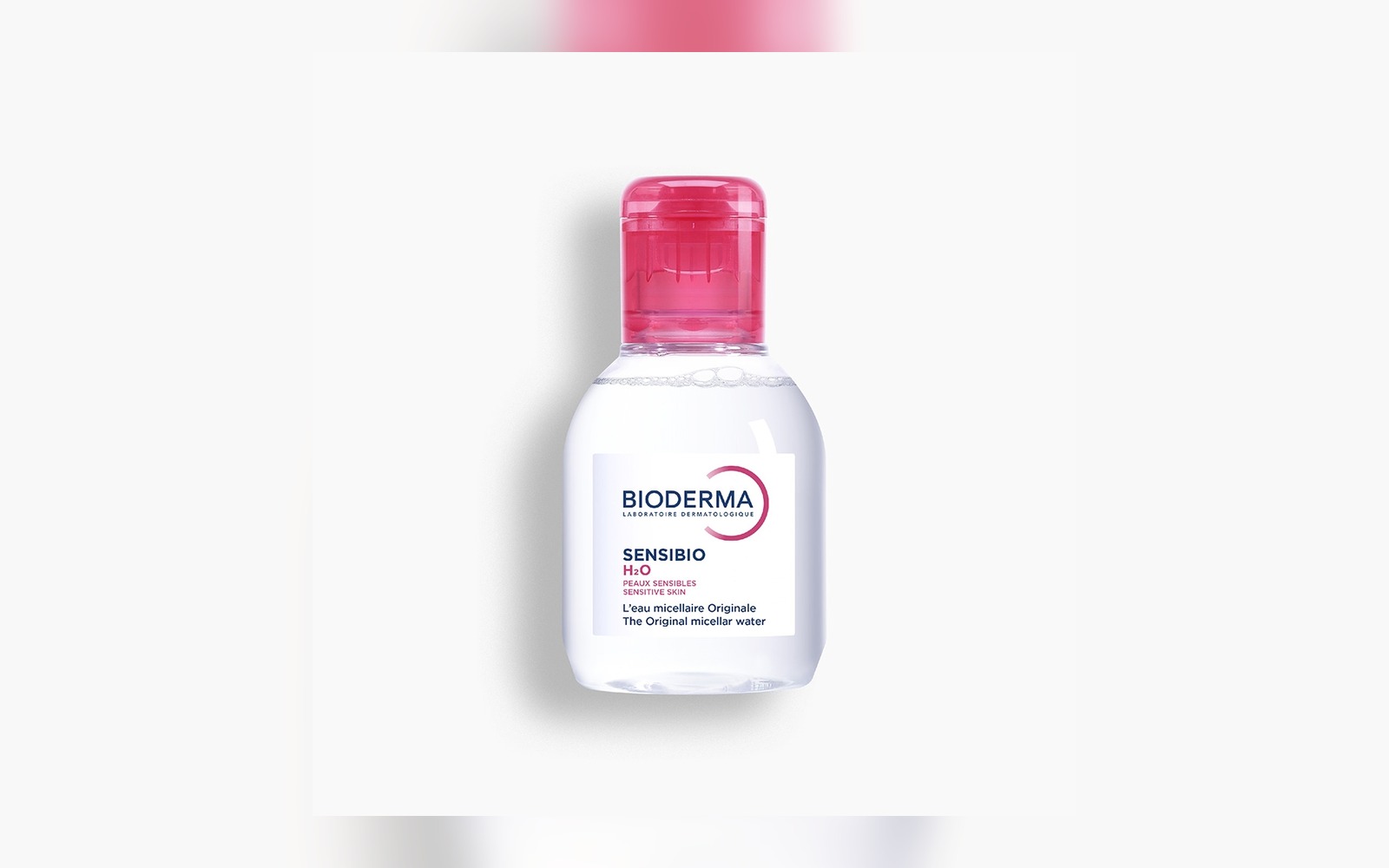
Bioderma describes Sensibio H2O as a micellar water for sensitive skin and lists practical instructions: soak the pad, cleanse face and eyes gently, and let the pad sit on eyelids for a few seconds when makeup is long-wear or heavy. Cleveland Clinic’s micellar-water guidance is useful because it separates everyday makeup from more stubborn formulas: micellar water can remove most makeup, but it may not remove every waterproof or specialized product completely. AAD skin-care basics keep the larger rule grounded: gentle cleansing matters because the way skin is washed can affect how it looks and feels afterward.
| If your skin feels tight | Treat that as feedback. Rinse with water or follow with a gentle cleanser, then moisturize before the skin has time to feel papery. |
|---|---|
| If makeup is waterproof | Do not scrub harder. Use a cleansing balm, cleansing oil, or dedicated eye remover first, then clean the face gently. |
| If only the lip edge is messy | Micellar water is a good precision tool. Fold the pad or use a cotton bud so the rest of the base makeup stays intact. |
| If redness shows quickly | Reduce passes. One saturated press-and-lift motion is kinder than repeated dry wiping. |
The cotton pad matters
A barely damp pad creates friction. Use enough micellar water that the pad glides instead of dragging. For mascara or liner, hold the pad in place before wiping. The extra seconds let makeup soften so the skin does not have to take the pressure. Around the eyes, this matters even more because rubbing makes the whole routine feel harsher than the cleanser itself.
When micellar water is enough
On a low-makeup day, micellar water can be the whole first step. Think tinted moisturizer, non-waterproof mascara, brow gel, balm, and sunscreen that has not been layered heavily. In that situation, a saturated pad can lift residue without turning cleansing into a long sink routine. If the cotton comes away clean and the skin feels comfortable after a rinse or moisturizer, the method is doing its job.
When to switch formulas
Heavy SPF, long-wear foundation, waterproof mascara, and transfer-resistant lip color usually need more slip. This is where cleansing oil or balm makes sense. The goal is not to be more aggressive; it is to choose a remover that breaks down the product faster so your fingers or cotton pad do less work. If makeup still appears on the towel after cleansing, micellar water was probably doing only part of the job.
The clean takeaway
Micellar water works best as a low-friction remover, not a scrubbing shortcut. Saturate the pad, press before wiping, rinse if your skin asks for it, and move to oil or balm when the makeup is built to resist water. That small decision is usually what keeps the face clean without leaving it tight.
Sources
Read next
- How to Use Niacinamide with a Moisturizer
Apply a niacinamide serum after cleansing and before moisturizer; if niacinamide is already in your moisturizer, use that single step instead of doubling up.
- How to Use Ceramide Moisturizer After Retinol
Use ceramide moisturizer after retinol by applying retinol first on dry skin, then sealing it in with a simple ceramide cream that calms dryness without piling on too many extra actives.
- How to Use Salicylic Acid Around the Nose Without Peeling
Use salicylic acid around the nose in a small zone, at a slower pace, and with moisturizer support so the area clears gradually instead of turning tight, flaky, and irritated.