
Quick answer
Lactic acid body lotion is best for texture, not instant resurfacing. It can help bumpy arms look smoother when the skin also gets moisture and the routine stays gentle.
- Use it more like a body moisturizer than a scrub.
- Slow down if bumps look red, hot, or newly irritated.
- Layer plain moisture on days when the skin feels tight.
Bumpy arms can make skin feel rough even when it is not dry in the usual flaky way. Lactic acid body lotion is popular for that reason: it hydrates while gently exfoliating the surface. The mistake is treating it like a harsh scrub. Rough bumps usually respond better to steady, boring use than to aggressive polishing.
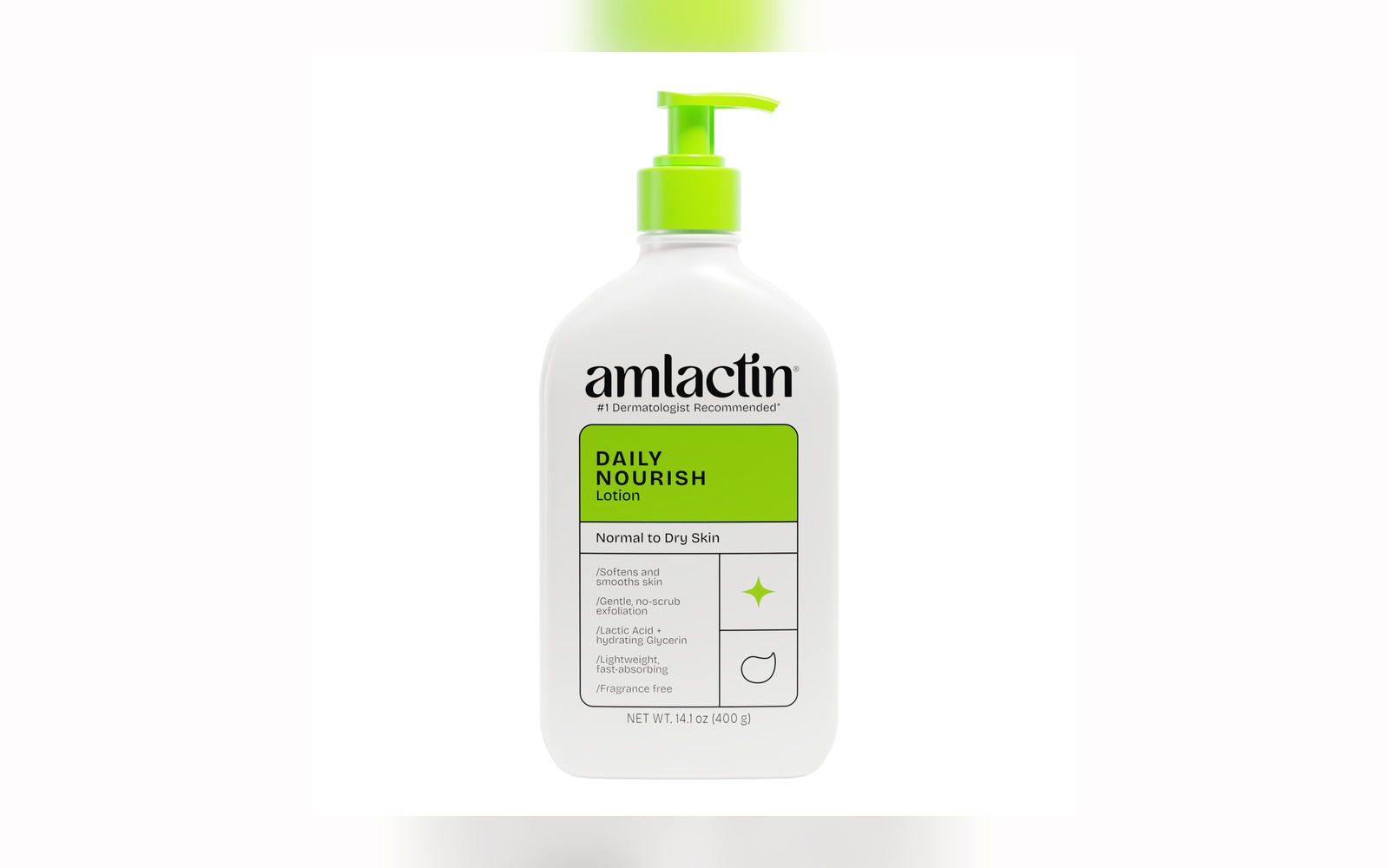
Cleveland Clinic describes keratosis pilaris as common rough bumps caused by keratin plugging hair follicles, often on the upper arms and thighs. AmLactin Daily Nourish is built around 12% lactic acid, an alpha hydroxy acid. FDA guidance on alpha hydroxy acids warns that AHAs can increase sun sensitivity, which matters when arms are exposed.
| Best for | Rough, dry-feeling bumps on upper arms, thighs, or other body areas where the skin tolerates acids. |
|---|---|
| Start here | Apply once daily or every other day at first, especially if your skin stings easily. |
| Do not combine with | Hard scrubs, rough mitts, or fresh shaving irritation on the same day. |
| Sun rule | Use sunscreen or cover exposed areas because AHAs can increase sun sensitivity. |
Use it like a body treatment, not a scrub
Lactic acid loosens rough surface buildup over time. That means rubbing harder does not make it smarter. Apply a thin, even layer after showering, when the skin is dry but still slightly comfortable from moisture. If it stings sharply, use less often and keep it away from freshly shaved or scratched skin.
The texture change is usually gradual. Expect weeks, not one night. If bumps are red, itchy, painful, or spreading, the issue may not be simple keratosis pilaris, and a dermatologist is the better route.
A realistic weekly rhythm
Lactic acid body lotion works best when it is treated like a steady body-care step, not a one-night fix. Start a few nights a week, then increase only if the skin stays comfortable. Applying it every night from day one can make already rough arms feel stingy or extra dry.
Use it after showering on fully dry skin, then keep the layer simple. If you stack it with scrubs, fragrance-heavy body products, or another exfoliating lotion, it becomes harder to tell what is causing irritation. Smooth texture usually improves gradually, so comfort matters more than speed.
When to pause
Pause lactic acid if the bumps turn into burning, raw patches, or new redness that lasts into the next day. Use a plain body moisturizer until the area feels normal again. If the bumps are itchy, inflamed, or painful rather than just rough, it is worth treating them as a skin concern rather than only a texture problem.
Do not chase perfectly smooth arms
Bumpy arms can improve without becoming completely poreless. Judge progress by less scratchy texture, fewer rough patches catching on sleeves, and less urge to pick. If you expect glass-smooth skin, you may overuse acids and end up with irritation instead of a better routine.
The clean takeaway
Lactic acid body lotion is useful when bumpy arms need softening, not punishment. Use it steadily, avoid extra friction, moisturize around it, and remember sunscreen when treated skin is going outside.
Sources
Read next
- How to Use Niacinamide with a Moisturizer
Apply a niacinamide serum after cleansing and before moisturizer; if niacinamide is already in your moisturizer, use that single step instead of doubling up.
- How to Use Ceramide Moisturizer After Retinol
Use ceramide moisturizer after retinol by applying retinol first on dry skin, then sealing it in with a simple ceramide cream that calms dryness without piling on too many extra actives.
- How to Use Salicylic Acid Around the Nose Without Peeling
Use salicylic acid around the nose in a small zone, at a slower pace, and with moisturizer support so the area clears gradually instead of turning tight, flaky, and irritated.