
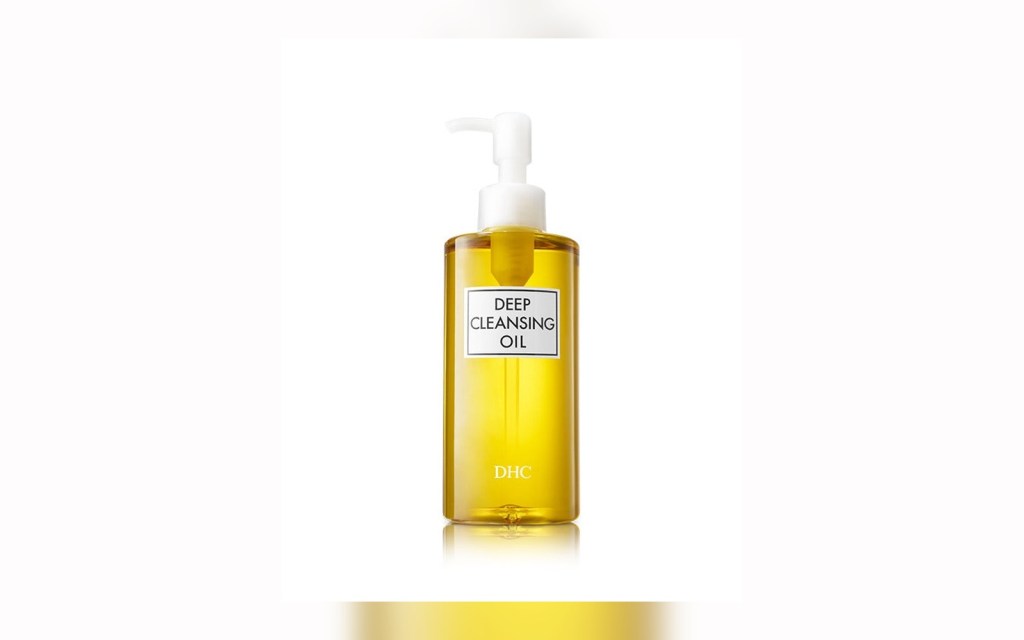
Cleansing oil sounds risky if your face already gets shiny, but the product category is not the same as leaving cooking oil on your skin. A cleansing oil is meant to dissolve sunscreen, long-wear makeup, and sebum, then rinse away after emulsifying. The greasy feeling usually means the water step was too short or the second cleanse was skipped when it was needed.
DHC describes Deep Cleansing Oil as a makeup-removing oil cleanser. Cleveland Clinic’s eye makeup removal guidance supports the same general principle: the eye area and makeup removal need gentle handling, not harsh rubbing. FDA cosmetic safety guidance adds the basics: use products as directed, avoid contaminated products, and stop if irritation appears.
| Start dry | Apply oil with dry hands to a dry face so it can break down sunscreen and makeup first. |
|---|---|
| Massage | Use light circles for 30-60 seconds, including the nose, chin, and hairline. |
| Emulsify | Add water and keep massaging until the oil turns milky before rinsing. |
| Second cleanse | Use a gentle cleanser afterward if heavy SPF, foundation, or mascara was worn. |
Emulsifying is the difference
If cleansing oil is rinsed too quickly, it can leave a slick film. Add water slowly and keep working the product until the texture changes. That milky phase is what lets the oil lift away instead of staying behind.
For eye makeup, do not rub sideways with force. Let the oil sit for a few seconds, then use gentle downward movement. If mascara stays, repeat with patience rather than pressure. Skin around the eyes does not benefit from a hard scrub.
The clean takeaway
Cleansing oil is effective when the sequence is right: dry face, enough massage, full emulsification, rinse, and a second cleanse if the day was makeup-heavy. Done that way, it should feel clean rather than greasy.
 Glowfits
Leave a comment