Quick answer
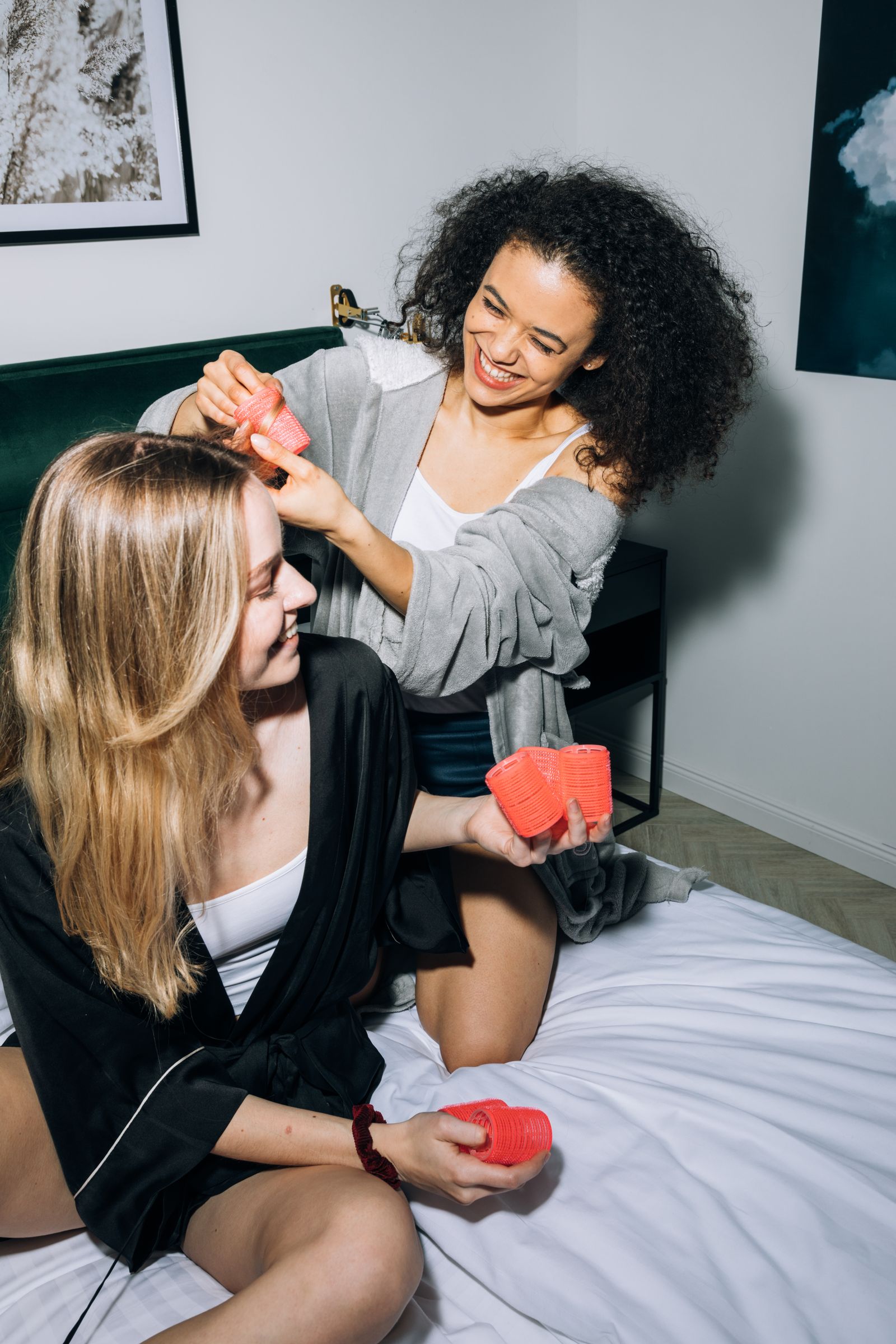
When a self-grip roller slips, a smaller, smoother section may help more than a tighter pull at the scalp. Comb out tangles, wrap from the ends toward the base, and let the hair set before unwinding slowly. Choose the method that fits your rollers: Drybar’s warm blowout routine takes 10–15 minutes; L’Oréal Paris’s slightly damp routine sets for a few hours.
Check your roller type and goal
Self-grip rollers have a textured surface that catches hair. They differ from bendable rods, clasped foam rollers and plug-in heated rollers, so check the directions for your tool before choosing a method.

Think about where you want volume or shape. Drybar describes its High Tops self-grip rollers, available in medium and large sizes, as a volume tool. L’Oréal Paris’s guide notes that roller size and section size affect the resulting shape. You can start with the area you want to lift instead of rolling every section.
Prepare smooth, manageable sections
For High Tops, Drybar directs users to take a three-inch section at the crown and comb it smooth and tangle-free. That measurement is part of the High Tops method; other rollers may call for smaller sections. If you can’t guide a section comfortably, use less hair and try again.
L’Oréal Paris’s self-grip tutorial starts with a one-inch section. Its guide also notes that a roller that feels loose may have too much hair wrapped around it. Try reducing the section before increasing tension. Keep loose hair separate as you work, and straighten any stray strands before rolling them in.
Choose a setting method
For a warm blowout set, Drybar says to begin at the ends, roll toward the base and direct the High Tops away from the face. It recommends leaving them in for 10–15 minutes while the hair is still warm from a blowout. After removing them, Drybar suggests tousling the hair to break up the shape and setting it with hairspray.
The roller itself isn’t heated in this method. Use a dryer or styling product only as directed for that appliance or product; don’t add heat to the rollers.
For an air-dried set, L’Oréal Paris’s tutorial starts with washed hair that has been allowed to dry until slightly damp and combed free of tangles. Roll a one-inch section from the ends toward the scalp, then allow a few hours for the set. Hair.com advises waiting until hair is completely dry before removal. This longer damp-hair sequence is different from Drybar’s shorter warm-blowout routine.
Wrap the ends, then roll
Hair.com’s guide recommends working with sections smaller than the roller. Lift a section, place the roller underneath near the ends, wrap the ends under it, then continue rolling away from the face. Use a clip or pin only if that’s how your roller is meant to be secured.
Check that the ends lie smoothly before rolling up the rest of the section. If they fold over, or loose strands start joining the wrap, pause and reset while you can still see what’s caught. Keeping each section controlled makes the roller easier to manage at removal.
Unwind gently and protect your scalp
Release any securing clip first, then unwind slowly while keeping the section in hand. Hair.com cautions that self-grip hooks can tangle; if a roller catches, pause and ease it free rather than pulling it through the lengths. Wait until the hair is fully dry before taking down an air-dried set.
The American Academy of Dermatology advises changing a style immediately if it causes pain, scalp stinging or crusts. It also lists frequent sleeping in rollers among styles that can contribute to traction hair loss. Keep self-grip rollers out of your overnight routine, and ask a dermatologist about persistent breakage or scalp concerns.
Read next
Sources
- Drybar: High Tops Self-Grip Rollers directions
- L’Oréal Paris U.S.: hair roller methods
- Hair.com by L’Oréal: self-grip roller sectioning and removal
- AAD: hairstyles that pull
- AAD: hair styling without damage
Image credits
- Featured image: KoolShooters / pexels.com (original image page)
- Body image 1: Karina Rymarchuk / pexels.com (original image page)