Quick answer
The right liquid foundation brush depends on how you want to apply it: a paddle places thin layers, a dome supports blending, and wispy stippling bristles suit a lighter-layer approach. Check the brush’s formula guidance and directions before buying; none of these shapes is a universal winner. If your current method already gives you a finish you like, you may not need a new brush.
Read the shape description
“Foundation brush” can describe tools meant to move in different ways. Compare the head shape, compatible formulas and application directions together. A product photo may show the outline, but it can’t establish how a brush will feel or perform in your routine. Handle color and style don’t tell you which formulas the maker recommends.

These examples are based on current manufacturer descriptions checked October 18, 2026. They’re a design comparison, not a hands-on test: coverage, product absorption, shedding and cleaning speed weren’t measured. Real Techniques and MAC’s 190 page are U.S. listings; MAC’s 187S page is from the U.K. Check the listing for your market before purchasing, since product descriptions may differ between markets.
Consider a paddle for placing thin layers
MAC’s 190 Synthetic Foundation Brush has a flat, paddle-shaped head, with smooth, firm synthetic fibers and beveled edges. MAC lists it for liquid, cream and gel formulas. Its directions suggest sweeping, pressing or patting foundation on in thin layers.
That makes it worth considering if you prefer to place product deliberately before blending. The directions don’t call for a thick coat, and the paddle shape alone can’t guarantee an even finish. Follow the maker’s instructions for the specific brush and use the movement you can control. If you’re unsure which motion feels comfortable, the directions give you a few to try.
Consider a dome for blending outward
The Real Techniques Expert Face Makeup Brush has a domed head and synthetic bristles. Real Techniques identifies it for cream and liquid foundation, positions it for medium-to-full coverage, and recommends blending back and forth from the center of the face outward.
Consider this shape if blending with a rounded head sounds more natural to you than working with a flat paddle. The coverage description is the maker’s intended positioning, not a promise for every formula or user. The amount of product and how you apply it also affect the result. You can use the stated directions to judge whether that motion fits your routine.
Consider wispy stippling bristles for lighter layers
MAC’s 187S Duo Fibre Face Brush is a large, circular stippling brush with wispy ends and a denser core. MAC describes it for sheer, controlled application with liquid, cream and powder formulas, and lists stippling, whisking, sweeping and swirling as application methods.
This may suit you if you want to build lighter layers rather than start with fuller coverage. “Duo fibre” does not mean this brush contains animal hair: the checked MAC page describes its brushes as synthetic and vegan. Check the materials description for the exact product rather than inferring ingredients from two-tone bristles.
Choose for the routine you want
Start with the part of your current routine you’d like a tool to change. For more deliberate placement, compare the paddle’s directions. For outward blending, consider the dome. For a lighter-layer approach, look at the wispy stippling design. These are practical differences between the product descriptions, not evidence that one brush outperforms the others.
You may not need a new brush if your current method gives you a finish you like. If you already own a suitable brush but aren’t happy with the result, check its application directions before replacing it. A brush’s shape and the way you use it are separate considerations, so the maker’s instructions may help you decide whether the tool is a fit for your routine.
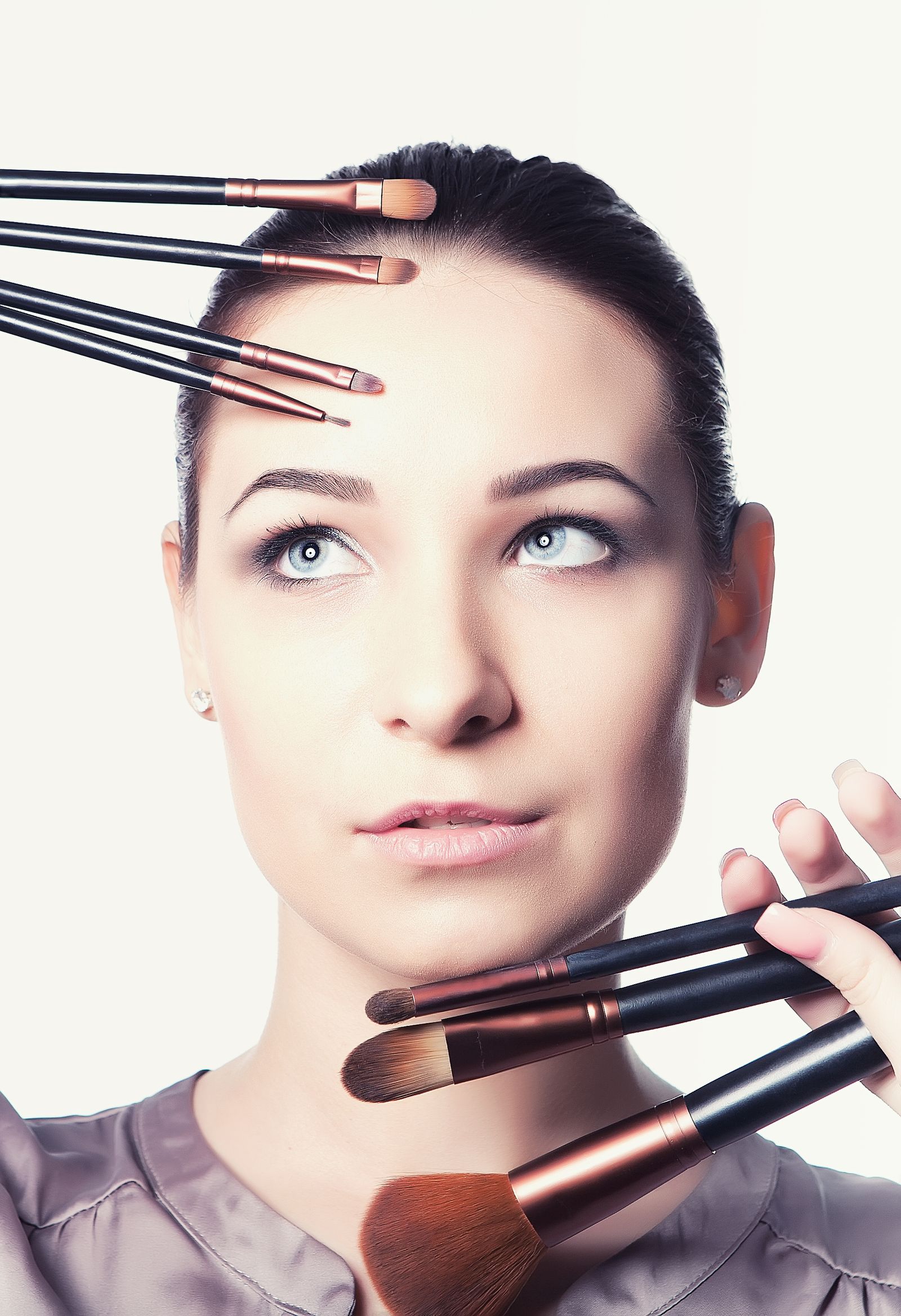
Cleaning is another practical consideration, but these product descriptions don’t establish which brush is easiest to wash or how quickly it dries. For cleaning details, use the linked guide below rather than assuming a quick spray is equivalent to washing. The photos show a portrait among assorted brushes and hands holding different brush shapes. They illustrate makeup tools generally; they don’t identify the named models or show a foundation application test. Use the manufacturer descriptions to check which brush you’re considering.
Read next
Sources
- MAC U.S.: 190 Synthetic Foundation Brush
- Real Techniques U.S.: Expert Face Makeup Brush
- MAC U.K.: 187S Duo Fibre Face Brush
Image credits
- Featured image: Alex Reedson / pexels.com (original image page)
- Body image 1: MART PRODUCTION / pexels.com (original image page)