
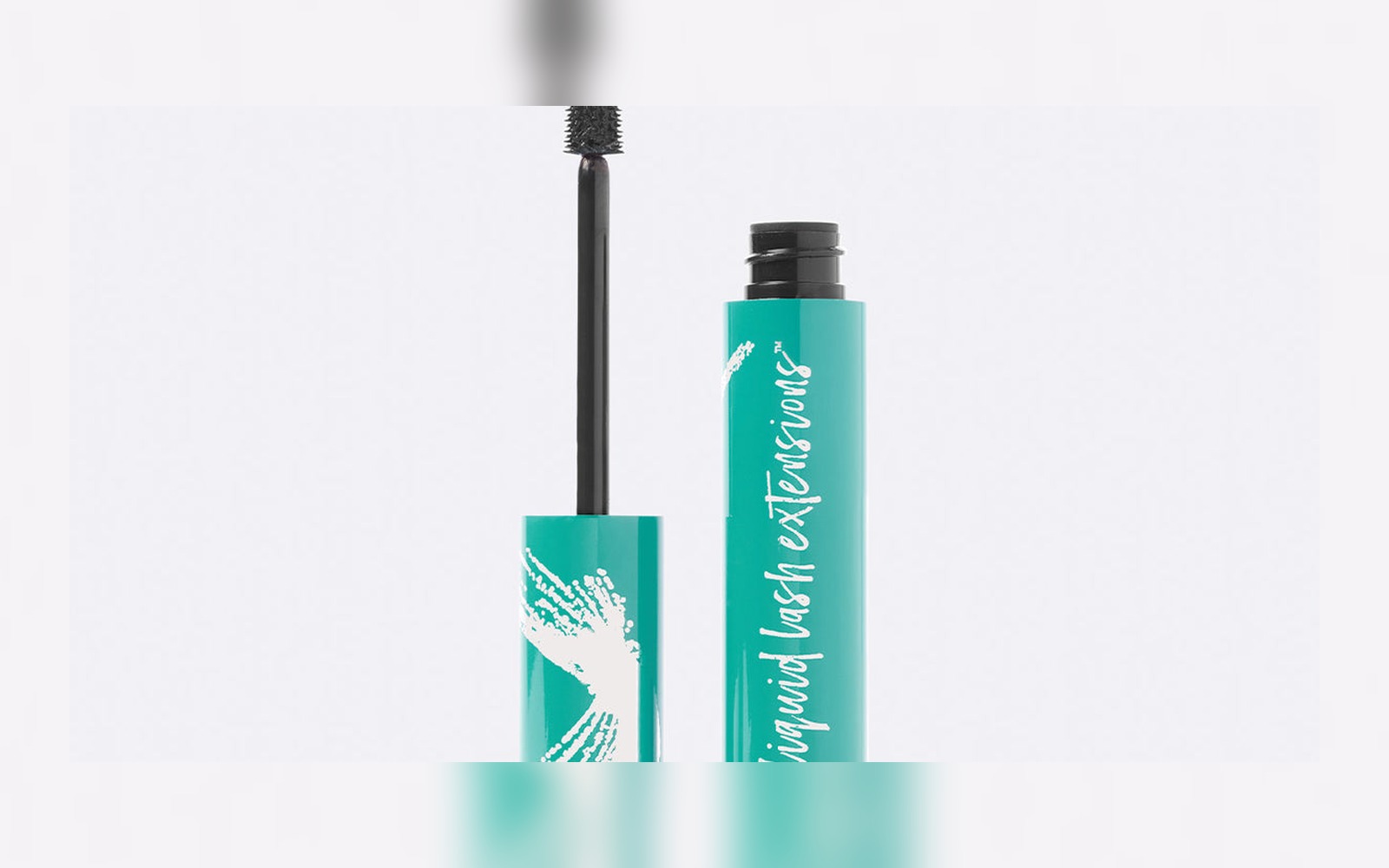
Tubing mascara has a very specific appeal: lashes look defined, but removal does not feel like a wrestling match. Instead of dissolving into smoky residue like some waterproof formulas, tubing mascara is designed to slide off in little tubes with warm water and gentle pressure. That makes it especially attractive for people who hate scrubbing the lower lash line.
Thrive Causemetics describes Liquid Lash Extensions Mascara as a tubing formula that creates length and comes off with warm water. FDA eye cosmetic safety guidance is less glamorous but important: keep eye products clean, do not share them, and avoid using eye cosmetics when the eye is irritated or infected. Cleveland Clinic also emphasizes gentle eye makeup removal because the eye area is delicate.
| Best for | Daily mascara wearers who want easier removal and cleaner lower lashes. |
|---|---|
| Removal | Use warm water, press gently, then slide the formula away instead of rubbing sideways. |
| Watch out | If flakes fall into the eye or irritation appears, stop and check the product and technique. |
| Not the same as | Waterproof mascara. Tubing formulas can resist smudging, but they are not always built for swimming or tears. |
The removal method is the point
A tubing formula can look strange when it removes because the bits may look like lashes. They are usually tubes of product. The key is not to panic and rub harder. Let warm water soften the formula, then use light downward pressure. If it does not release, add more warm water rather than more force.
This is why tubing mascara can be friendlier to delicate makeup days. You can wear concealer under the eyes without planning a heavy oil-removal session at night. Less rubbing also means less chance of disturbing skin that is already dry from retinol or under-eye concealer.
The clean takeaway
Tubing mascara is a smart choice when clean removal matters as much as length. Keep the wand clean, replace old mascara, remove it with patience, and let the formula do the work instead of scrubbing the lash line.
Sources
Read next
- Cushion Foundation vs Skin Tint: Which Gives More Coverage?
Cushion foundation usually gives more coverage than skin tint, while skin tint keeps more of your natural skin visible and works better when you want a lighter, fresher base.
- Can You Use Setting Powder Over Cushion Foundation?
Yes, you can use setting powder over cushion foundation if you let the base settle first and keep the powder light, targeted, and pressed onto the spots that actually get shiny.
- Why Lip Tint Looks Patchy on Dry Lips
Lip tint usually looks patchy on dry lips because flakes grab extra pigment first, wet balm keeps the stain from setting evenly, and repeated layering turns one rough spot into three.