
Quick answer
Patchy lip stain is usually a prep and layer problem before it is a color problem.
- Soften flaky edges before color touches them.
- Use thin layers and let each layer settle.
- Blur the inner edge before the stain dries too sharply.
Lip stain looks effortless only when the lips underneath are ready for it. On smooth lips, it gives that soft bitten color that survives coffee and talking. On dry lips, it grabs the center, skips the edges, and makes every flake louder. The secret is not a thicker coat. It is a thinner stain on a better surface.
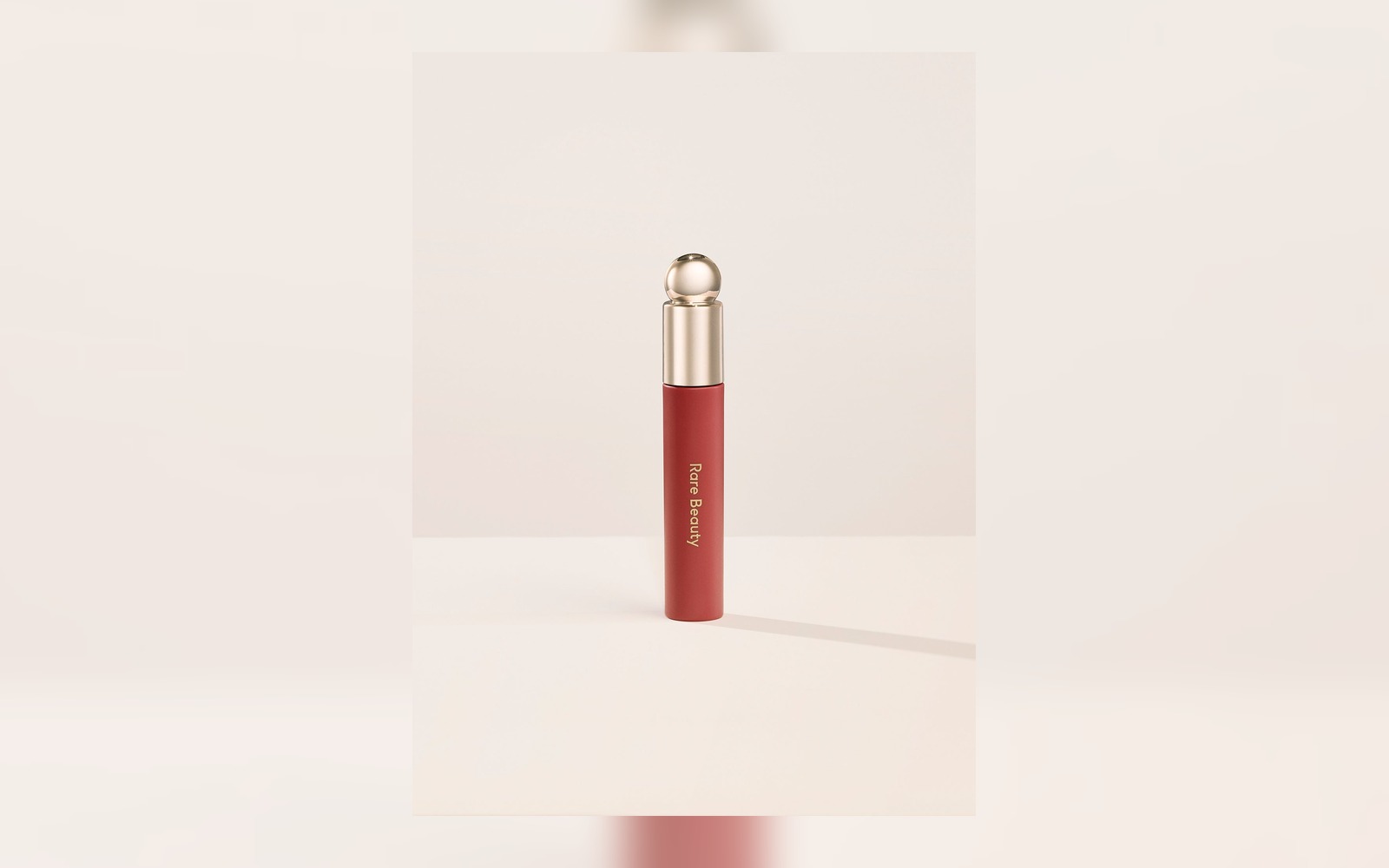
Rare Beauty’s Soft Pinch Tinted Lip Oil is positioned as a tinted lip product that leaves a soft stain. FDA’s makeup guidance classifies lipstick and lip products as cosmetics, while its lipstick lead page is a useful reminder that color cosmetics are regulated around safety and color additives. For everyday wear, the practical point is simpler: use lip color as directed, keep applicators clean, and watch how your own lips react.
| Prep | Remove loose flakes gently, then use a small amount of balm and blot before color. |
|---|---|
| Application | Apply one thin layer, press lips together once, then add more only where color looks weak. |
| For edges | Use the applicator tip or a clean fingertip instead of flooding the lip line. |
| Avoid | Heavy balm directly under stain. It can make color slide, pool, or disappear unevenly. |
Hydrated does not mean slippery
Lip stain needs contact with the lip surface. If there is too much balm underneath, the stain cannot grip evenly. If there is no moisture at all, the stain clings to dry spots. The middle path is best: balm first, wait a minute, blot, then stain. That gives comfort without turning the lip into a moving surface.
Thin layers also make color easier to control. A heavy swipe can deposit too much pigment in the inner lip and leave the outer lip weak. A light first layer shows you where your lips naturally grab color. Then the second layer can go only where needed.
Patchiness often shows up later
A stain can look even at first and patchy after lunch because the center of the mouth wears down faster. Instead of repainting the entire lip, tap color only into the faded center and blend outward. If the edges still look good, leave them alone. That keeps the stain soft rather than turning it into a harsh outline.
The clean takeaway: lip stain is best treated like watercolor, not paint. Smooth surface, blotted balm, thin color, targeted touch-ups. That is how it stays fresh instead of settling into patches.
Sources
Read next
- Cushion Foundation vs Skin Tint: Which Gives More Coverage?
Cushion foundation usually gives more coverage than skin tint, while skin tint keeps more of your natural skin visible and works better when you want a lighter, fresher base.
- Can You Use Setting Powder Over Cushion Foundation?
Yes, you can use setting powder over cushion foundation if you let the base settle first and keep the powder light, targeted, and pressed onto the spots that actually get shiny.
- Why Lip Tint Looks Patchy on Dry Lips
Lip tint usually looks patchy on dry lips because flakes grab extra pigment first, wet balm keeps the stain from setting evenly, and repeated layering turns one rough spot into three.