
Quick answer
Sunscreen sticks are best for targeted touch-ups over makeup. They are portable and neat, but protection depends on enough passes and careful coverage rather than the format alone.
- Use them on nose, cheekbones, forehead edges, hands, and shoulders.
- Avoid one fast swipe over powder and calling it done.
- For long outdoor days, pair stick touch-ups with a strong first SPF layer.
Reapplication is the hard part
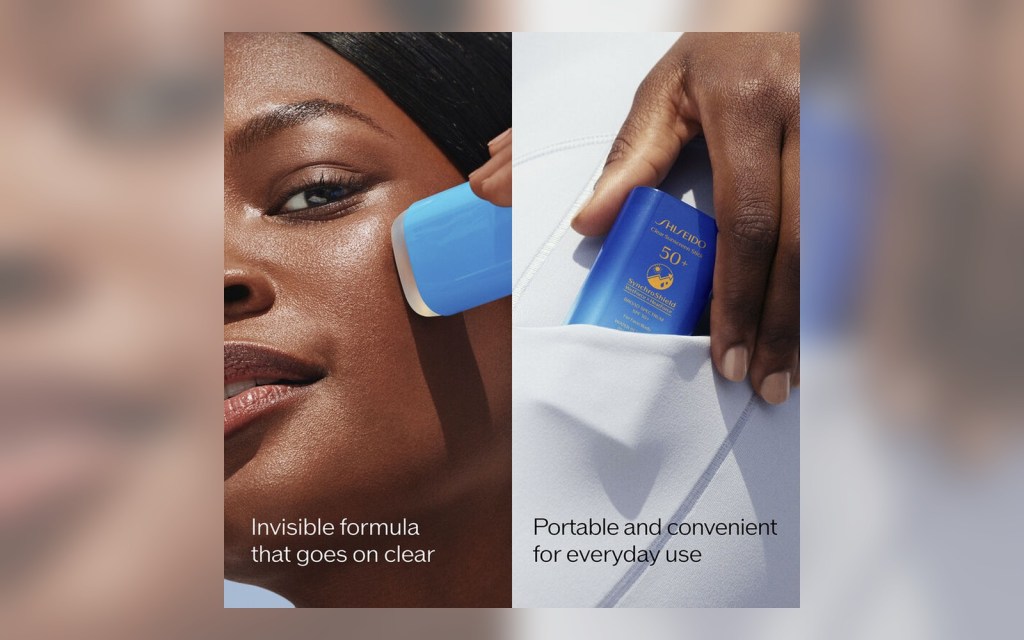
Most people understand the first layer of sunscreen. The annoying part is the second one. After skincare, base makeup, blush, and powder, reapplying a liquid sunscreen can feel like ruining the face you just put together. That is where a sunscreen stick becomes useful. It is not magic, and it still has to be applied generously, but it gives you a cleaner way to touch up exposed areas without pouring lotion into your hands.
A stick is especially helpful for the high points that catch sun: cheekbones, nose bridge, forehead, temples, ears, and the backs of hands. It is also easy to carry, which matters because sunscreen only helps when it is actually reapplied.
What the official guidance says
The FDA's sunscreen guidance says to use broad-spectrum sunscreen as directed and reapply at least every two hours, more often when sweating or swimming. The FDA also lists sticks as one of the sunscreen forms legally marketed in the U.S. The American Cancer Society gives similar practical advice: sunscreen needs reapplication at least every two hours, and makeup should go over sunscreen rather than replacing it.
That is the important background. A stick does not remove the need to use enough SPF. It just makes touch-ups more realistic when you are already out of the house.
Why clear sticks are easier over makeup
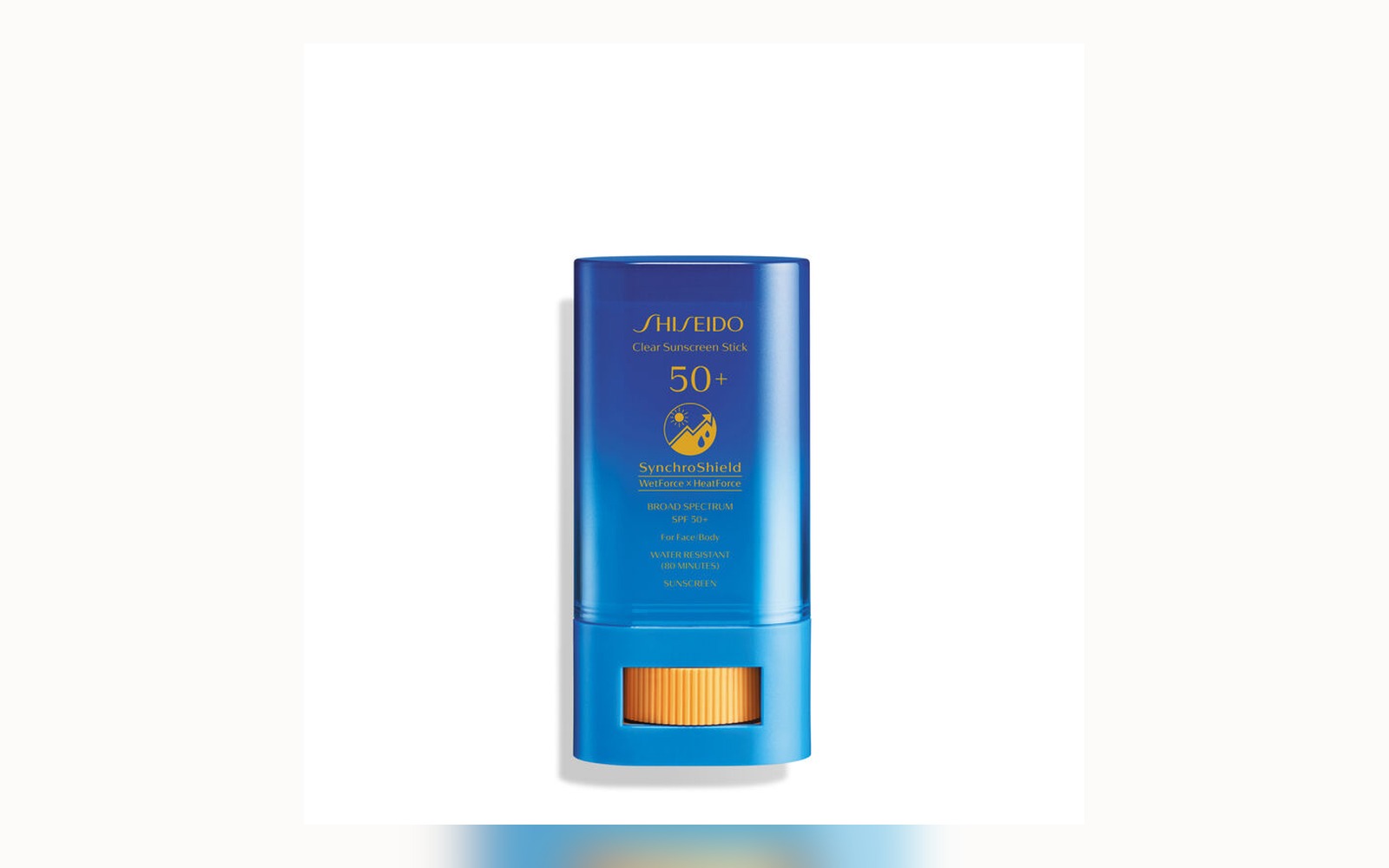
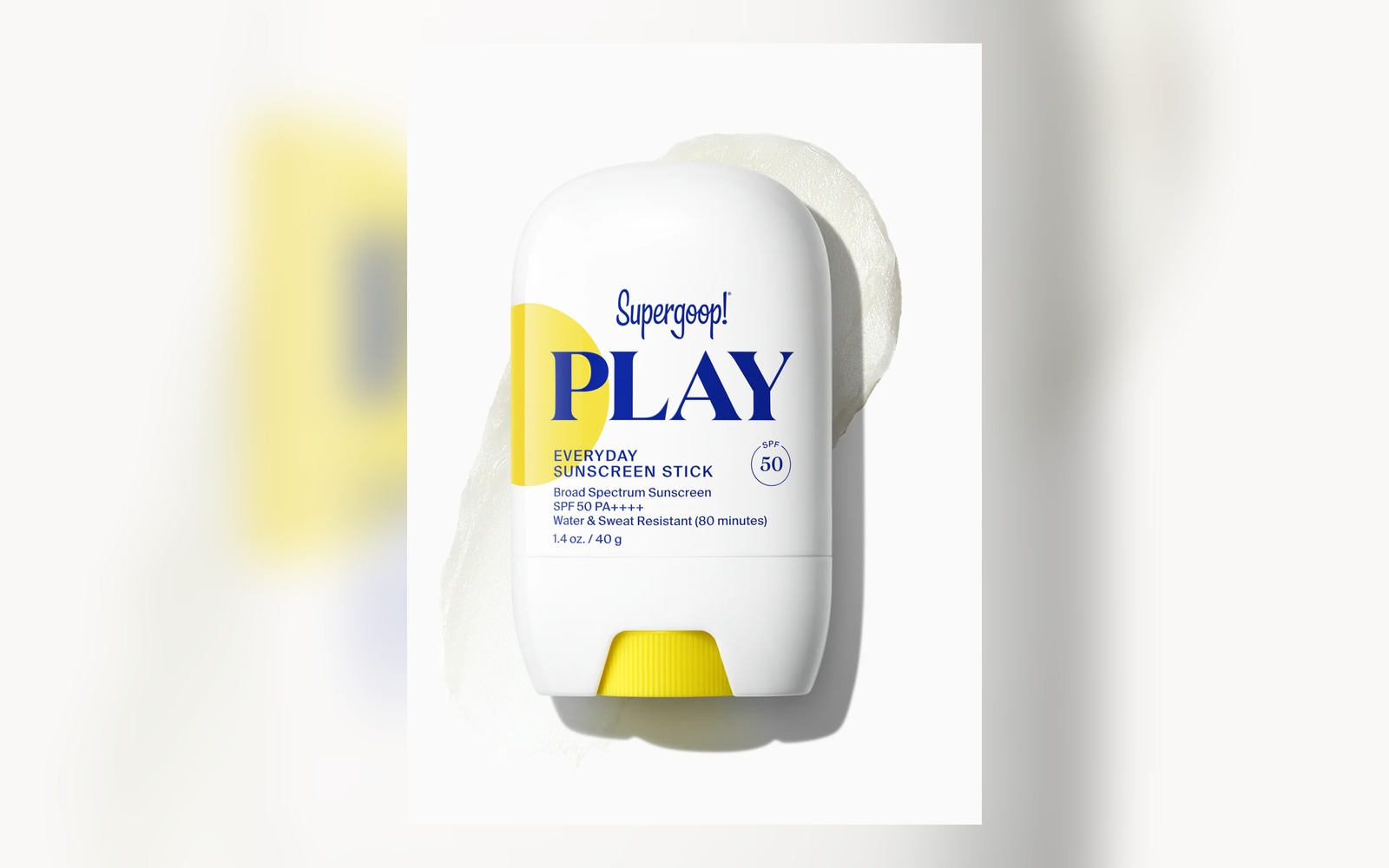
Shiseido's Clear Sunscreen Stick SPF 50+ is described on the official page as a clear, residue-free sunscreen stick that can be reapplied over or under makeup. Supergoop's PLAY Everyday Sunscreen Stick SPF 50 is described as clear, weightless, non-greasy, water- and sweat-resistant, and wearable under or over makeup. Those details matter because the best touch-up stick should not leave a white cast, thick drag, or greasy layer.
For makeup days, clear texture is the point. If the stick leaves a visible film, it can disturb blush and base. If it glides too wet, it can move concealer. The best use is light pressure, repeated passes, and tapping around edges with clean fingers.
Use it on targeted zones
| Area | How to apply | Makeup tip |
|---|---|---|
| Nose bridge | Short downward swipe | Tap edges, do not rub hard |
| Cheekbones | Glide outward and upward | Avoid dragging over heavy blush |
| Forehead | Swipe in small sections | Press with fingers if shiny |
| Ears and hands | Apply directly | These areas can handle more pressure |
Do not treat one casual swipe as full protection. Sticks need enough product to form an even layer. For a full face, that usually means multiple overlapping passes. For a quick city touch-up, focus on the zones that get the most exposure and pair the stick with shade, sunglasses, and a hat when possible.
Best makeup pairings
Sunscreen sticks work best over light base makeup, skin tint, cream blush, or softly set makeup. They are less ideal over a very powdered matte base because the stick can catch and create patches. If the face is heavily powdered, press a little facial mist or use a very light hand before touching up.
They are also useful for days when you are not wearing much makeup. A clear stick can refresh SPF on bare skin without needing a mirror, especially on hands, neck, and ears.
The clean takeaway
Sunscreen sticks work for SPF touch-ups because they make reapplication portable and less messy. They do not replace a proper morning layer, and they still need generous application, but a clear stick can make the two-hour rule feel possible when makeup is already on.
Sources
- FDA Sunscreen: How to Help Protect Your Skin from the Sun
- Shiseido Clear Sunscreen Stick SPF 50+
- Supergoop PLAY Everyday Sunscreen Stick SPF 50
Read next
- How to Reapply Sunscreen Over Makeup Without Pilling
Reapply sunscreen over makeup without pilling by blotting first, choosing powder, mist, or clear stick by base texture, and pressing instead of rubbing.
- How to Reapply Body Sunscreen Spray Without Missing Spots
Body sunscreen spray works best when you reapply by zones, rub it in, and check shoulders, arms, legs, ankles, and swimsuit edges.
- Why SPF Lip Balm Belongs in a Summer Makeup Bag
SPF lip balm earns its place in a summer makeup bag because lips need reapplication after sun, drinks, meals, and fading color.
 Glowfits