
Quick answer
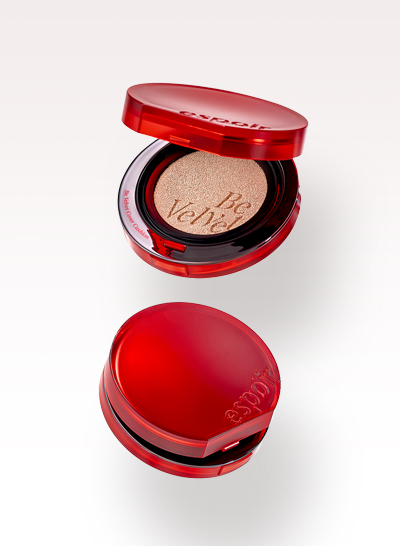
eSpoir Be Velvet Cover Cushion is a better fit when rough-looking skin needs calmer coverage before it needs more glow. The useful point is the steadier velvet finish, not a heavier mask.
- Best for texture that becomes more obvious under shiny bases.
- Works when the face needs a composed finish for indoor light.
- Prep still matters, because cushion coverage cannot smooth dry flakes by itself.
The eSpoir Be Velvet Cover Cushion reads best on days when texture is already visible. That is when ‘cover’ and ‘velvet’ start meaning something practical. The face does not need more shine first. It usually needs a finish that settles the surface down.

🧴 Why this category helps rougher-looking skin
A cushion that leans velvet and cover usually offers a more controlled finish. That matters because rough texture becomes more visible when light keeps catching unevenly across the face. This is where a softer-matte cushion can look better than a glossier base. It does not need to flatten the face. It only needs to make the surface read more even.
That is the real advantage of this category. It gives the complexion a quieter skin story, so the eye stops landing on the rougher areas first.
🪞 What to watch once it is on the skin
The goal is not a perfect mask. It is a base that looks calmer from a normal distance and still stays believable up close. A velvet cushion tends to succeed when it reduces visual noise without killing the face. That is why it feels especially useful on days when pores, bumps, or leftover dryness are already reading too loudly.
The better version of this finish makes the complexion look edited, not erased. That difference is what separates flattering coverage from coverage that only looks heavy.
💼 When this kind of base earns its place
This category tends to help most on office days, indoor-light days, and days when the skin needs a more composed look without chasing glow. It is also a better fit when your blush and lips are already soft and the base needs to do the quiet structural work.
If glowy products keep making texture more visible than you want, the more flattering fix may be finish direction rather than more prep.
🫧 What prep helps this cushion land better
A velvet cushion still reads every shortcut underneath it. If the cheeks are flaky, the nose edge feels tight, or sunscreen is still sliding around, a rough-skin day can look rougher after coverage instead of calmer. The safer move is to keep prep plain and settled: moisturizer first, sunscreen second, then give the base a minute before the puff touches the face.
The application should stay thin. Press one light layer where the skin looks busiest, then stop and look from a normal mirror distance before adding more. Rough texture usually looks better with quieter coverage, not with repeated tapping that turns every patch into a correction project.
↔️ Where eSpoir sits in the cushion lane
This is the useful middle lane when glow is too revealing but a fuller coverage cushion sounds like too much commitment. If you still want a little softness around the face, eSpoir Be Velvet sits between the polished glow of Laneige Neo Cushion Glow and the stronger correction of TIRTIR Mask Fit Red Cushion.
That comparison is what makes this page useful. eSpoir Be Velvet is not the answer to every base problem. It is the answer for readers whose skin looks better once the finish becomes steadier and less reflective, while still staying easier than a full foundation routine.
If the skin is calmer and you want to step back toward radiance, compare it next with Why HERA Glow Cushion Works Better for Long-Lasting Radiance to see when a glow cushion looks refined rather than too wet.
If the skin is calmer and you want to step back from velvet coverage to a lighter glow lane, compare it with Laneige Neo Cushion Glow Review: Official Ingredients and Dry-Skin Fit for the official ingredient and finish cues behind that softer result.
If rough patches calm down and you want to move back toward a lighter radiant cushion, compare it with Laneige Neo Cushion Glow Review: Official Ingredients, Coverage, and Dry Skin Fit for the official coverage ceiling, fragrance note, and dry-skin fit.
Sources
Get new beauty and wardrobe edits in your inbox.
Read next
- Cushion Foundation vs Skin Tint: Which Gives More Coverage?
Cushion foundation usually gives more coverage than skin tint, while skin tint keeps more of your natural skin visible and works better when you want a lighter, fresher base.
- Can You Use Setting Powder Over Cushion Foundation?
Yes, you can use setting powder over cushion foundation if you let the base settle first and keep the powder light, targeted, and pressed onto the spots that actually get shiny.
- Why Lip Tint Looks Patchy on Dry Lips
Lip tint usually looks patchy on dry lips because flakes grab extra pigment first, wet balm keeps the stain from setting evenly, and repeated layering turns one rough spot into three.