Quick answer
The right pre-shampoo oil routine depends on the bottle: check whether it calls for dry or damp hair, where to apply it, and how long to leave it in. For a short treatment, apply the labeled amount to the specified area, distribute it as directed, wait the stated time, then shampoo it out and condition as usual.
Check the bottle’s directions
“Hair oil” can mean a wash-out treatment or a finishing product meant to stay in. L’Oréal Paris describes pre-shampoo treatments as oils, creams, serums or masks; application to wet or dry hair depends on the formula. Start with the product’s full name and usage directions, and follow the instructions for its pre-shampoo use.

Match the amount, placement and timing to that use. A styling dose is not automatically the right dose for a treatment you plan to wash out. Pre-shampoo care is optional, so choose it when it fits your routine rather than treating it as a required step.
For a lengths-and-ends treatment
Leonor Greyl’s L’Huile directions call for one to three capfuls through the lengths and ends, followed by brushing to distribute the oil. Leave it on for at least 10 minutes or overnight, then shampoo. The brand’s French application guidance specifies dry lengths.
Keep the dose tied to this bottle and its directions; capfuls are not a general measure for other oils. Apply through the intended lengths and ends, then brush as directed. The same product’s separate styling directions call for two to three drops on very dry or curly hair. Use that styling dose for its stated purpose, not as a substitute for the pre-shampoo directions.
For a dry root-to-tip treatment
Aveda UK’s Nutriplenish Multi-Use Hair Oil has a different pre-shampoo routine: pump the desired amount into your hand, apply evenly to dry hair from root to tip before showering, then shampoo it out. The page gives no fixed pump count or wait time for this use.
Aveda also describes an overnight leave-in use: apply to dry hair from root to tip, work it in gently, leave it without rinsing, and shampoo in the morning. Its towel-dried-hair directions are for another use. Check the directions for the use you have chosen; don’t combine the overnight leave-in steps with the pre-shampoo wash-out routine.
Choose a wait that fits your schedule
Leonor Greyl gives a short option of at least 10 minutes as well as an overnight option. Aveda’s pre-shampoo page does not specify a waiting period, while its overnight directions describe a separate leave-in routine. Follow the timing for your chosen product and use. If you choose an overnight treatment, plan to shampoo it out as directed in the morning.
Shampoo thoroughly and adjust next time
When the treatment is ready to come out, shampoo according to the product’s directions. L’Oréal Paris advises thoroughly rinsing pre-wash oils to avoid an overly greasy feel, then continuing with shampoo and conditioner. Pre-shampoo care does not replace conditioning afterward.
After your usual wash, consider whether the amount and placement suited your hair. If it feels more coated than you wanted, review how much you used and whether you completed the wash-out step. Follow the product’s recommended amount and frequency; some treatments are intended for lengths only, and frequency depends on the product and your needs.
Keep the formula’s preparation and safety in view
Leonor Greyl says L’Huile can solidify below 77°F (25°C) and directs users to run the bottle under warm water to liquefy it. That preparation guidance applies to this product.
For ingredient details, check the package you received: Aveda notes that ingredient lists can change. Keep cosmetic containers clean and closed. If a product causes an unexpected reaction, the FDA advises stopping its use and contacting a healthcare provider for care advice.
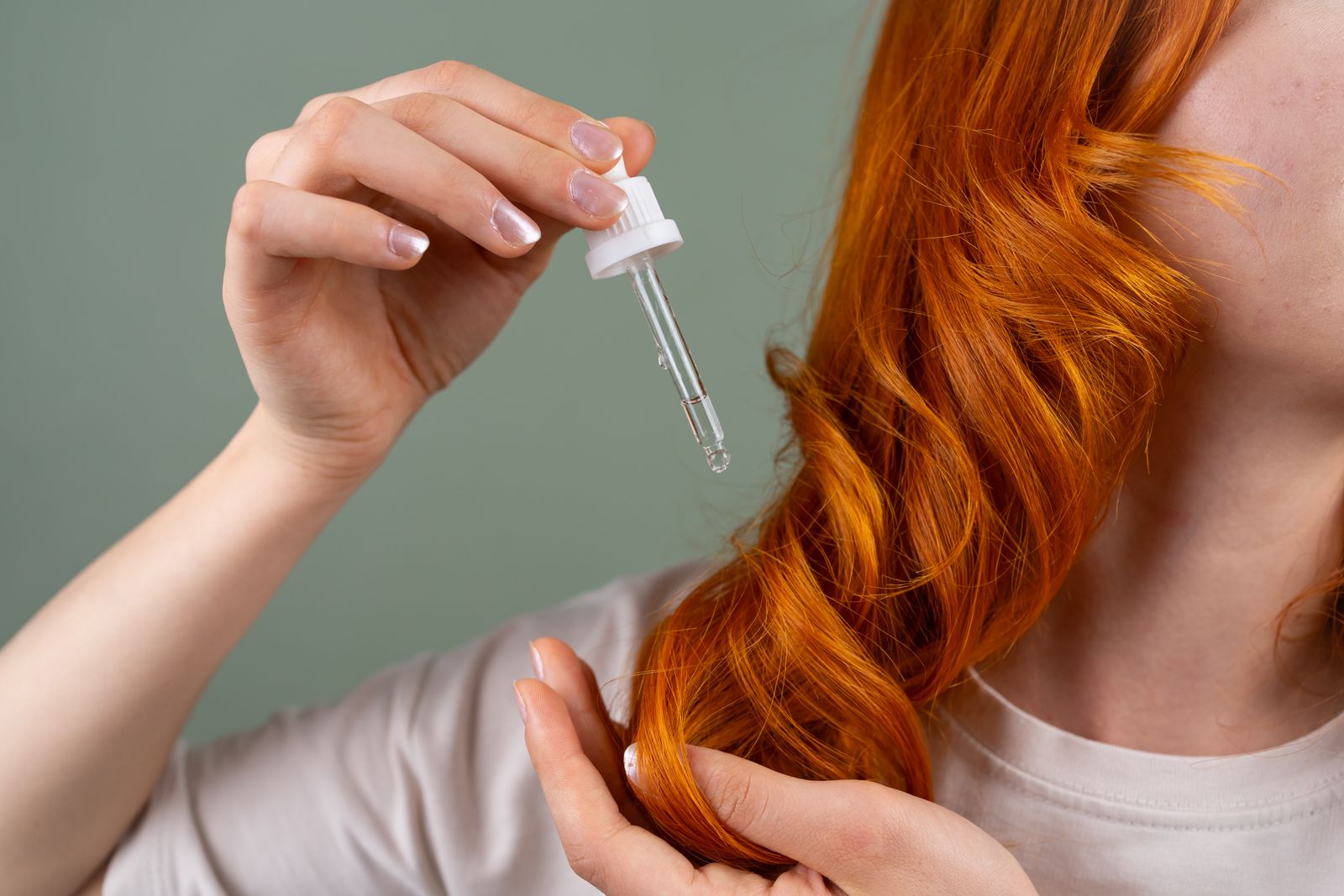
The accompanying hair-care photographs show unidentified products, so use the bottle’s own directions to identify the formula and its intended use.
Read next
Sources
- Leonor Greyl: L'Huile pre-shampoo directions
- Aveda UK: Nutriplenish Multi-Use Hair Oil directions
- L'Oréal Paris: pre-shampoo treatment guide
- FDA: Using Cosmetics Safely
Image credits
- Featured image: Beyzanur K. / pexels.com (original image page)
- Body image 1: Kaboompics.com / pexels.com (original image page)