Quick answer
Silk and satin pillowcases can look equally glossy, but the labels mean different things. Silk names a fiber; satin describes a weave. Check the exact fabric composition, care instructions and pillow fit before choosing. Neither label alone shows that a case will prevent breakage or improve hair growth.
A useful product listing names the fibers and percentages. If it doesn’t, ask the seller: shine and words like “silky” or “luxury” don’t confirm what the case is made from.

Read fiber and weave separately
CottonWorks’ textile encyclopedia describes satin as a basic weave, with long yarn floats that create a smooth, shiny surface. The word describes how fabric is constructed; it doesn’t tell you which fibers were used.
That distinction can help you compare listings. A satin fabric may use synthetic fibers, while silk fabric can also have a satin construction. Check the composition for the exact case, including whether the backing uses a different material.
For example, Slip’s current FAQ describes its slipsilk as pure mulberry silk with a charmeuse finish and a weight of 22 momme. Those are specifications for Slip’s material, not a definition of every silk pillowcase or evidence that it works better for hair.
Keep hair claims in perspective
A smooth surface may appeal if you find rough bedding uncomfortable against your hair. But the cited sources don’t establish that every silk pillowcase is better for hair than every satin one, or that either material treats hair loss.
The American Academy of Dermatology’s hairstyle advice says silk or satin coverings are gentler than other materials and recommends keeping hair loose underneath. That guidance is about hair coverings, not a comparison of pillowcases. It doesn’t show that a pillowcase prevents breakage or regrows hair.
Treat claims about waking up with smoother hair as product claims, not guarantees. A person’s impression, a measurement of fabric friction and a measured change in hair breakage are different kinds of evidence.
Check whether the care fits your routine
Laundry instructions can make a practical difference. Read them before buying, especially if you usually wash bedding in hot water or put it in the dryer.
Slip’s care page recommends handwashing its pillowcases for best results. It also allows a delicate machine cycle in cool water up to 30°C (86°F), with pH-neutral liquid detergent and a delicates bag. Slip recommends shade air drying and says not to tumble dry.
Kitsch’s U.S. Ivory Satin Pillowcase FAQ recommends turning the case inside out, machine washing it cool on a gentle cycle with mild detergent, then tumble drying low or air drying. These directions apply to those products; care instructions can vary across brands and fabrics.
The Kitsch page reviewed here didn’t provide a reliable fiber-percentage breakdown. Check the package or ask the seller about the exact version rather than assuming its composition from another retailer’s listing or an older design.
Check the fit and construction
Compare the case’s listed dimensions with your pillow. Check whether the listing describes the whole case or just one side, and note how it closes. A zipper, envelope flap or different backing describes the construction, but doesn’t establish a hair benefit.
Think about whether the closure will suit how you use your pillow. If you’re unsure about a new fabric, check the seller’s return terms. Comfort is personal, and a material label can’t tell you whether you’ll enjoy sleeping on it.
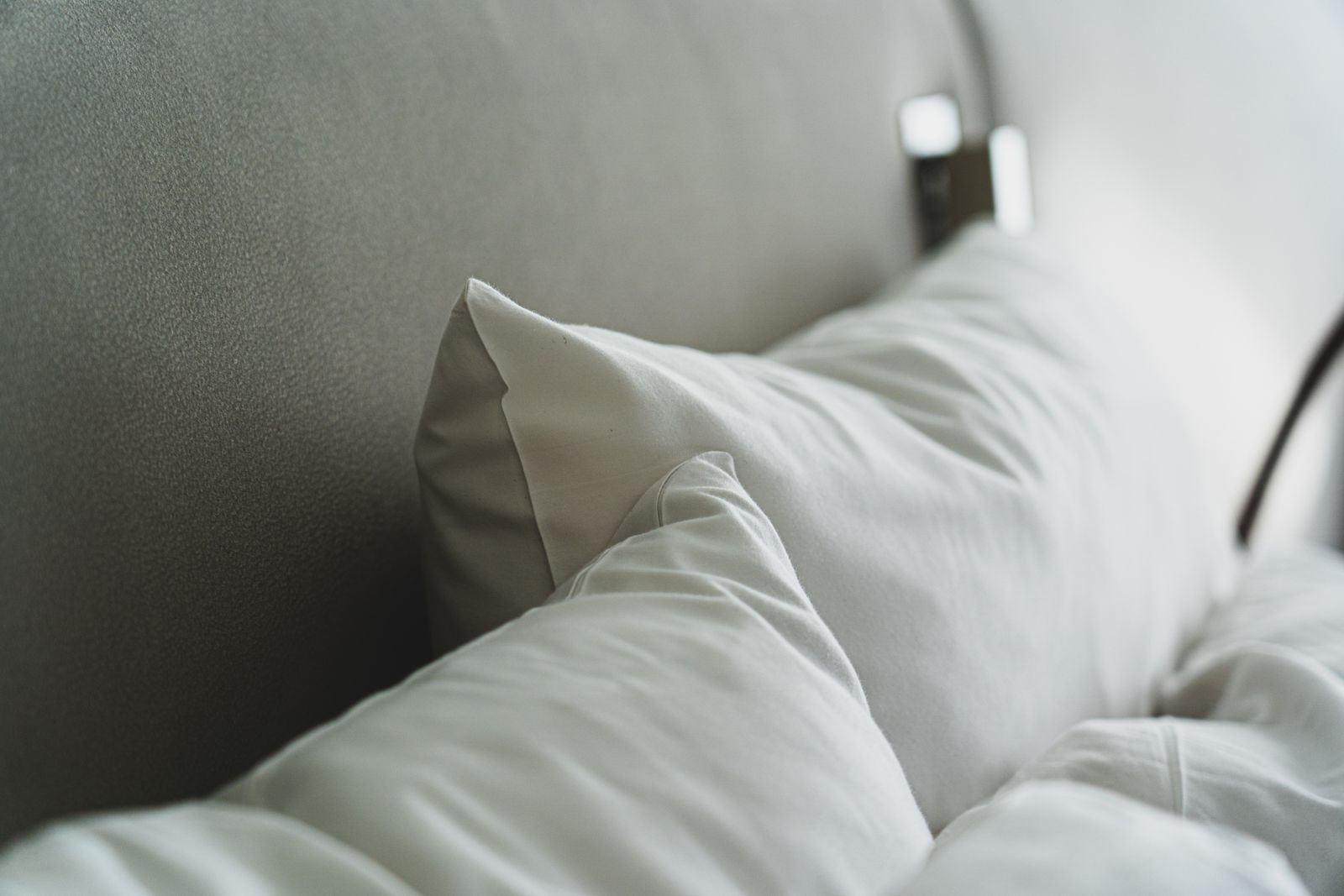
The accompanying photos show ordinary pillowcases and changing a case for care. They don’t identify the fabrics, depict the named products or demonstrate hair results.
Choose for the problem you want to solve
If silk is your preference, look for a case with documented silk content and care instructions that work for you. A well-described satin option may suit your routine too, particularly if its laundry directions are easier to maintain. If composition or dimensions are missing, ask before ordering.
After you start using a case, notice whether it feels comfortable and whether your morning tangles seem easier to manage. That can help you decide what you like, but it isn’t a clinical test. Persistent breakage or thinning calls for appropriate professional advice, not repeated pillowcase purchases.
Read next
Sources
- CottonWorks: Satin Textile Encyclopedia
- Slip: Material FAQ
- Slip: Pillowcase Care
- Kitsch U.S.: Ivory Satin Pillowcase
- AAD: Hairstyles That Pull Can Lead to Hair Loss
Image credits
- Featured image: Castorly Stock / pexels.com (original image page)
- Body image 1: Ron Lach / pexels.com (original image page)