Quick answer
Your bathroom mirror may be the easiest place to apply makeup, but a steamy shelf is a poor place to store the collection. Keep makeup somewhere cool and dry, away from direct sunlight and shower moisture, and follow the instructions on each product. If the bathroom is your only practical option, choose its driest, shadiest spot.
Separate your application spot from your storage spot
You can keep your morning routine at the bathroom mirror without keeping every product there. Put the makeup you use daily in a small tray or pouch, then carry it to the mirror and back to a bedroom drawer or cupboard.

Before buying an organizer, measure the shelf or drawer you already have. A wipeable container that fits is easier to use than one that pushes products onto a windowsill or crowds the counter.
Check the spot for moisture, light and heat
The FDA’s cosmetic shelf-life guidance notes that bathroom moisture may favor bacterial and fungal growth, and that heat, light and temperature changes can affect cosmetics. Those considerations support choosing a more stable place to store makeup; they do not show that every product kept in a bathroom is contaminated.
A windowsill can be convenient, but direct sunlight makes it a less suitable place for your collection. Look instead for a shaded shelf away from the shower, or a dry drawer or cupboard away from heaters. The room name alone does not tell you whether a spot is suitable, so check the actual conditions and product instructions.
Don’t sort products by pump, powder or pencil alone
It’s tempting to assume powders need moving while pump foundation or pencil eyeliner can stay. But packaging and product format don’t create a universal bathroom-safe category.
L’Oréal Paris’s makeup-storage advice recommends a cool, dry place and avoiding humid bathrooms, including for foundation and eyeliner. Treat that as the brand’s practical storage advice, then check the directions for your own products. Close caps and lids after use, and keep labels readable. A drawer gives products a place to go; it does not guarantee protection from moisture.
Make a daily kit that’s easy to put away
Keep the makeup you’re using together and store unopened backups elsewhere. That makes it easier to find what’s already open before reaching for a replacement. If you want to track when you opened something, jot down the date separately so you don’t cover its directions.
Arrange compartments around your actual products. Give tall bottles room to stand, keep pencil caps easy to find, and leave enough space to lift out a compact without tipping everything over. A tray you can move makes it simpler to retrieve the kit and wipe the shelf or drawer.
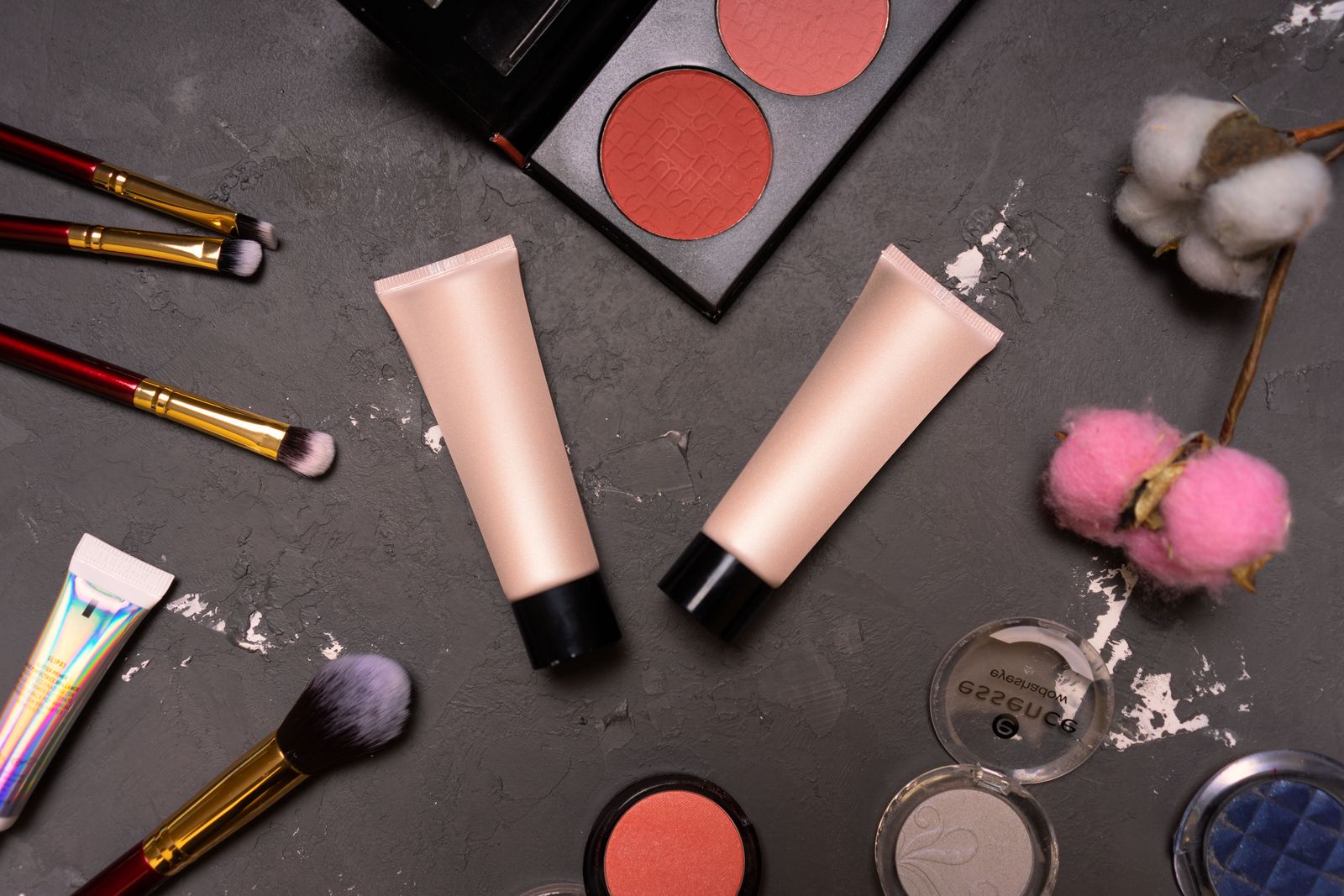
Illustrative photos: cosmetics and a portable pouch.
If the bathroom is your only option
Choose the driest, shadiest spot you can find, away from shower spray and obvious sources of heat. Close each product after use rather than leaving compacts open on display. If a cabinet often feels damp or gets condensation, consider storing the kit elsewhere and bringing it to the mirror when you’re ready to apply makeup.
Let washed tools dry in an appropriate space before putting them into a closed pouch. A tidy storage setup does not replace cleaning tools.
Storage doesn’t reset product dates
Moving a product does not restart its opening date or change its label instructions. Follow the expiry or period-after-opening guidance on the packaging. If you’re unsure how to read it, ask the manufacturer about that product rather than relying on a generic online lifespan.
A useful setup can be simple: one small daily kit, a dry place to keep it, and labels you can still read.
### Read next – When Should You Replace Mascara After Opening? – How Often Should You Clean Makeup Brushes?
Sources
Image credits
- Featured image: pexels.com (original image page)
- Body image 1: pexels.com (original image page)