
Quick answer
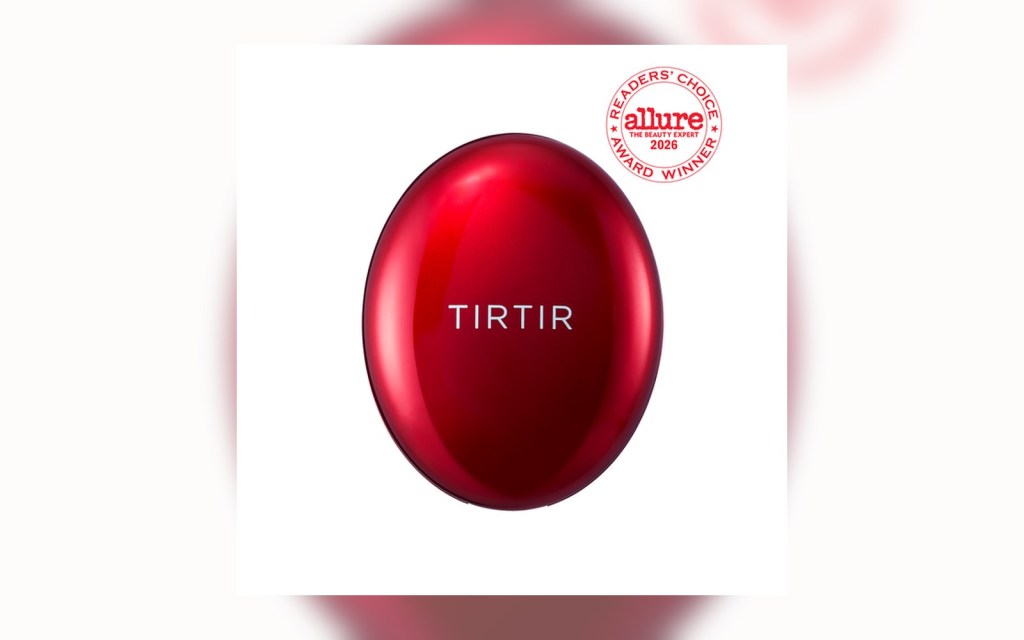
TIRTIR Mask Fit Red Cushion is best read as a stronger coverage cushion with a semi-matte makeup promise. The ingredient list and product positioning make most sense for readers who want lasting coverage, but still need to check fragrance, comfort, and shade match carefully.
- Best for coverage-first cushion shoppers, not bare-skin minimalists.
- Check fragrance and wear feel if your skin reacts easily.
- Treat cushion SPF as support, not a full sunscreen replacement.
TIRTIR Mask Fit Red Cushion became a search magnet for one simple reason: people want the convenience of a cushion compact, but they do not want the finish to look flimsy by lunchtime. The interesting part is that the ingredient list explains a lot of that reputation before a puff ever touches the face.
TIRTIR’s official product page frames the Red Cushion as a full-coverage, lightweight, semi-matte base with 40 shades, and the official ingredient sheet backs up that direction with a silicone-heavy slip base, niacinamide, glycerin, and several finish-supporting powders and pigments. INCIDecoder also flags niacinamide, glycerin, and adenosine as some of the more reader-friendly formula signals. That combination usually points to a base that wants to look smoother and more polished than juicy.
| Best for | Someone who wants more coverage than a skin tint but still likes the portability of a cushion compact. |
|---|---|
| Finish clue | Semi-matte with blur, not the wet reflective glow that makes every pore look louder. |
| Watch if | You avoid fragrance, dislike silicone-heavy slip, or have dry flakes that catch fuller coverage. |
| Worth knowing | A thin layer usually reads better than a big one. Teen Vogue’s shade-expansion interview notes the brand itself talks about lighter application as the safer route. |
What the ingredient list says first
The front of the official ingredient sheet is crowded with the exact kinds of materials that make cushion base look smoother on contact: cyclopentasiloxane, dimethicone, trimethylsiloxysilicate, pigments, and film-forming helpers. That is not a bad sign. It simply means the formula is built to spread fast, blur texture, and stay put more like a polished foundation than a watery everyday tint.
The softer side of the formula is there too. TIRTIR’s ingredient sheet includes niacinamide, glycerin, butylene glycol, adenosine, and botanical extras such as hibiscus, propolis, and astaxanthin. Those ingredients help explain why the brand positions the compact as hydrating rather than chalky. But they do not turn it into skincare-first makeup. The structure is still coverage first.
Why it suits some skin types better than others
Byrdie’s recent wear test is useful here because it describes the finish as hydrating, buildable, and natural semi-matte, with coverage that stayed strongest on the cheeks, chin, and forehead. That is the kind of performance people usually want from a fuller cushion. If your skin is combination, normal, or slightly dry but well-prepped, the formula logic makes sense.
Where readers should pause is texture. A formula with this much pigment and grip can make dry flakes, rough patches, or rushed skin prep look more obvious. If your ideal base is barely-there glow, this is probably not the easiest match. If your goal is a more corrected, smoother-looking face in one compact, it becomes much more convincing.
The two ingredient flags worth noticing
First, the official sheet includes fragrance. That does not automatically make the product unusable, but it is an important detail for anyone whose skin or eyes react easily. Second, the formula leans hard on silicone slip and film-formers. That is part of why the compact can blur and hold, but it also means application method matters. A thick layer can move from elegant to mask-like very quickly.
This is also where the shade story matters. Teen Vogue’s reporting on the brand’s expansion from 3 shades to 40 helps explain why the product keeps getting searched by global readers. The bigger shade range solves one historical K-beauty complaint, but it does not change the basic formula personality: this is still a coverage cushion that looks best when it is tapped on in restrained layers.
The practical reading
If you are choosing between glowy ease and more corrected coverage, the TIRTIR Red Cushion ingredients point clearly toward the second lane. It is for readers who want a compact that can blur pores, even tone, and hold up through errands without turning flat immediately. It is less ideal for anyone who hates fragrance, wants a sheer wash, or already knows that heavier base clings to dry texture.
The simplest takeaway is this: TIRTIR Mask Fit Red Cushion is not just popular because it is viral. Its ingredient list is built for a specific result, and that result is a smoother, fuller, semi-matte face rather than a transparent second-skin tint.
Need the softer glow comparison? If TIRTIR sounds heavier than what you want, compare it with Laneige Neo Cushion Glow. That page is the better lane for readers choosing between fuller semi-matte correction and a dewy cushion that still stays tidy.
Sources
Read next
- How Often Should You Wash a Cushion Puff?
Wash a cushion puff at least weekly, and closer to every use if it stays damp, touches acne-prone skin, or starts dragging foundation instead of pressing it on evenly.
- How to Use Lip Liner Without Making Lips Look Harsh
Lip liner looks softer when the shade stays close, the strongest line sits at the corners, and lipstick or gloss is blended inward.
- How to Use Cream Eyeshadow Stick Without Creasing
Cream eyeshadow stick creases less when lids are clean, the layer is thin, and the deepest fold is not overloaded.
 Glowfits