
Quick answer
Ceramide moisturizer is the buffer step. It is useful when dry skin needs comfort, makeup sits patchy, or active ingredients make the face feel too tight.
- Choose richer textures for flaky cheeks and lighter textures under makeup.
- Use it before or after actives depending on how reactive your skin feels.
- If everything stings, pause actives before adding more new products.
A ceramide moisturizer is not just a heavier cream with a more serious name. It is a barrier-support step, which matters when skin looks dull, feels tight after cleansing, or makes foundation cling in tiny patches. The goal is not to make the face greasy. The goal is to make the surface comfortable enough that makeup can sit on skin instead of fighting it.
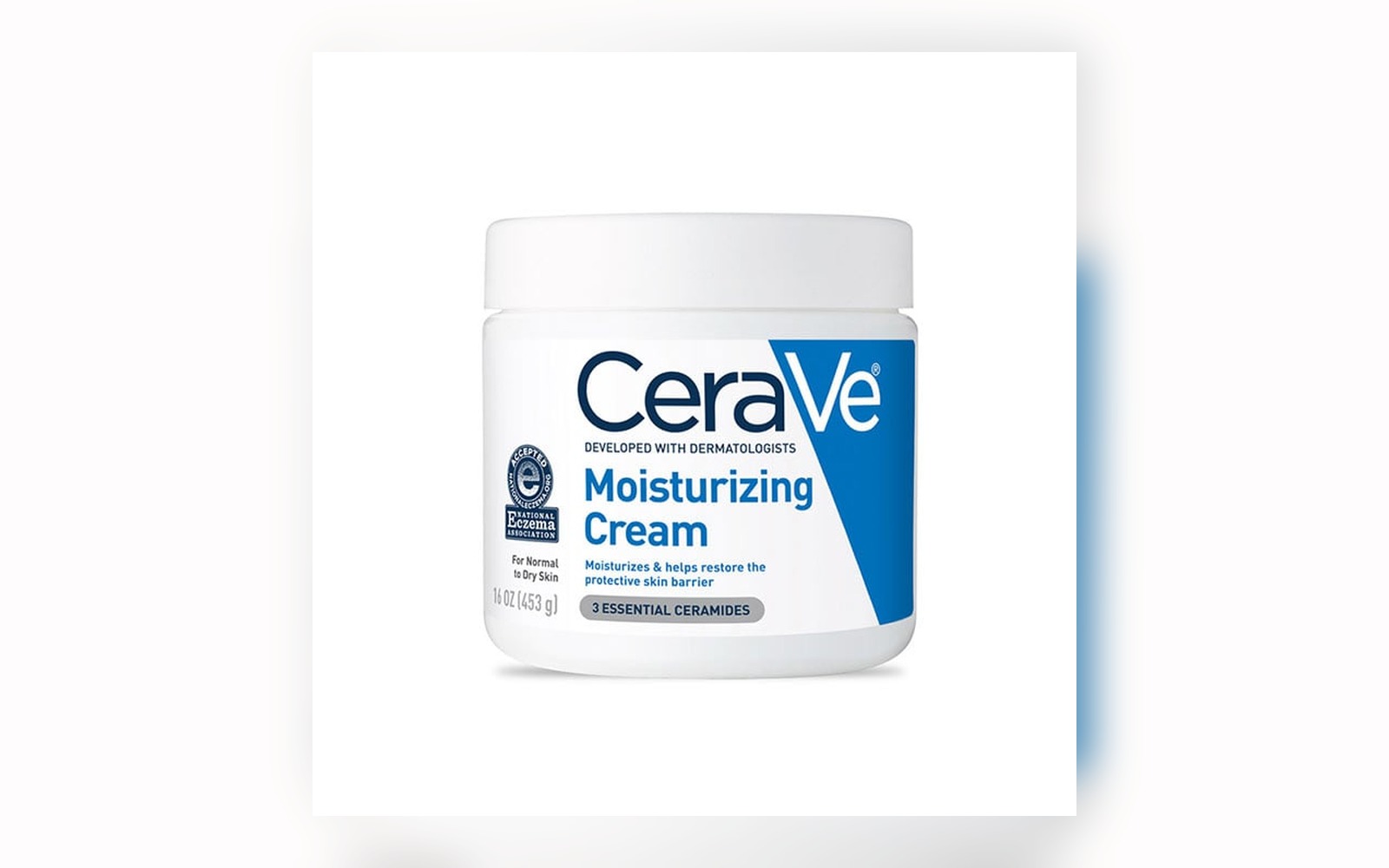
Cleveland Clinic points to ceramides as one of the ingredients that can help support dry skin, while the American Academy of Dermatology suggests looking for richer creams or ointments when skin is truly dry. CeraVe’s Moisturizing Cream is built around three essential ceramides, hyaluronic acid, dimethicone, and petrolatum. That combination explains why it behaves more like a seal-and-support cream than a watery lotion.
| Best for | Dry, tight, easily flaky skin, especially when makeup separates around the cheeks or mouth. |
|---|---|
| Texture clue | If lotion disappears in ten minutes and skin still feels tight, a cream usually makes more sense. |
| Makeup-friendly use | Use a thin layer in the morning, then give it a few minutes before sunscreen or base. |
| Watch out if | Your skin is very oily or makeup slides quickly. Use less, or keep the richer cream for night. |
Barrier repair is also a makeup step
When the barrier is irritated, base makeup exaggerates it. Powder looks dusty. Concealer catches. Blush does not melt in. A ceramide cream can help because it supports the layer that keeps water in and irritants out. That is why a calmer moisturizer often improves the look of foundation more than switching foundation again.
The mistake is using a rich cream like a mask right before makeup. A pea-sized amount spread thinly is usually more elegant than a thick layer. If your face still feels dry after that, save the heavier application for night and use a gentler cleanser in the morning.
Who should choose a cream over a lotion?
Choose a cream if your skin feels tight after washing, if winter air makes your cheeks sting, or if retinol and exfoliating acids have made makeup look rough. Choose a lotion if the face mainly feels dehydrated but not flaky. Choose a gel cream if the skin is oily but still wants a little cushion.
The clean takeaway: ceramide moisturizer is not a trend step. It is the quiet layer that makes active skincare and makeup easier to live with. Pick the texture by how your skin behaves, not by how dry you wish it were.
Sources
Read next
- How to Use Niacinamide with a Moisturizer
Apply a niacinamide serum after cleansing and before moisturizer; if niacinamide is already in your moisturizer, use that single step instead of doubling up.
- How to Use Ceramide Moisturizer After Retinol
Use ceramide moisturizer after retinol by applying retinol first on dry skin, then sealing it in with a simple ceramide cream that calms dryness without piling on too many extra actives.
- How to Use Salicylic Acid Around the Nose Without Peeling
Use salicylic acid around the nose in a small zone, at a slower pace, and with moisturizer support so the area clears gradually instead of turning tight, flaky, and irritated.