
Quick answer
Anti-frizz spray works best before humidity makes the hair expand, not after the shape has fully collapsed.
- Use it as a light barrier step, not a soaking mist.
- Focus on mid-lengths, ends, and the outer layer where frizz shows first.
- Use a styling stick only for small part-line or hairline pieces.
Frizz is easier to prevent than repair
Humid hair days usually go wrong before the mirror moment where the frizz is obvious. The cuticle starts taking in moisture, the smooth shape loses tension, and the style expands in small uneven places. Once that happens, adding oil or cream on top can make the hair look heavier without really restoring the shape. Anti-frizz spray works best earlier, while the hair is still damp and can be set into a smoother pattern.
That timing is the whole point. A good anti-frizz spray is not just a shine mist. It is a prep step. It helps hair dry smoother, resist humidity better, and stay less fluffy as the day changes. On fine hair especially, this can be more useful than a heavy serum because it does not immediately collapse the root or make the ends look oily.
Why Color Wow and Living Proof explain the category well
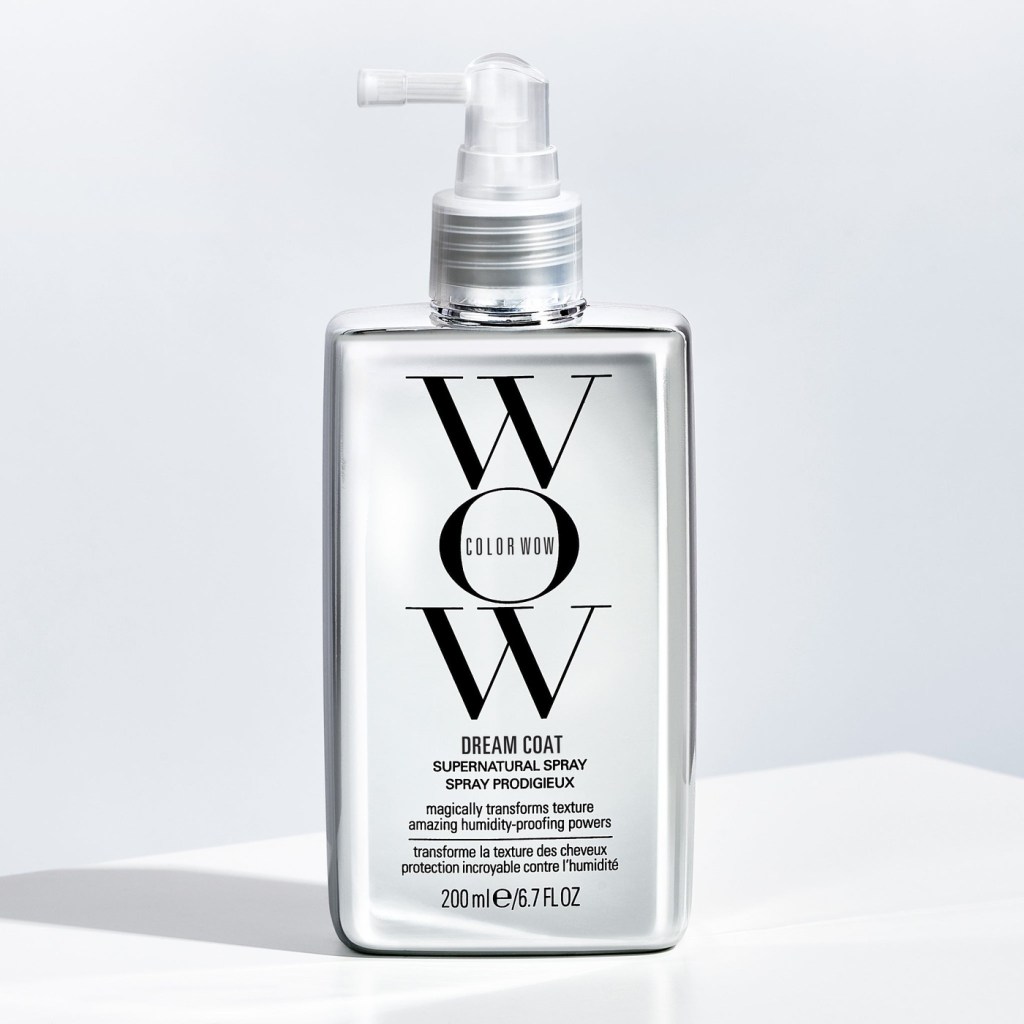
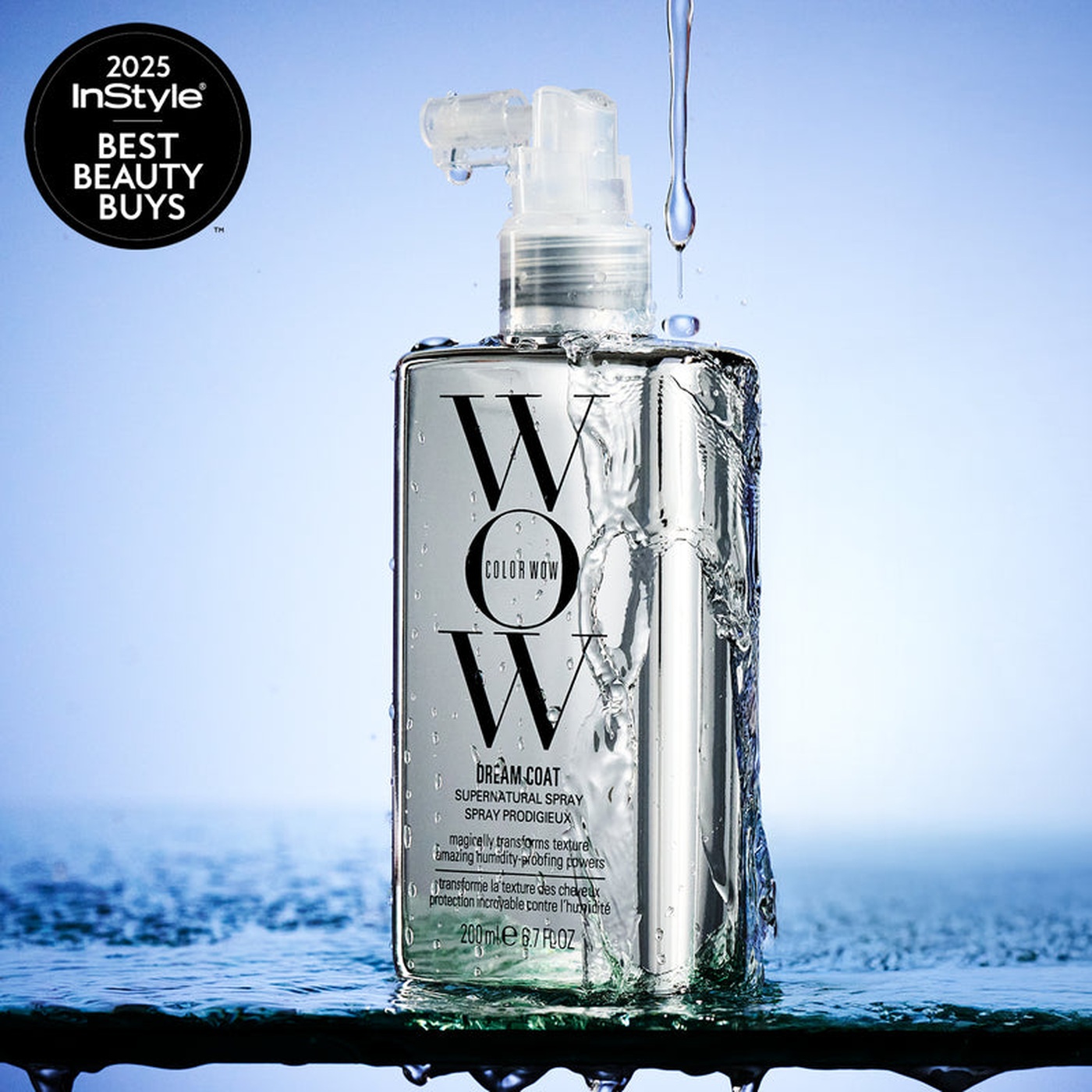
Color Wow's Dream Coat Supernatural Spray is described as a humidity-proofing, heat-activated spray that smooths and glosses hair while staying weightless and non-greasy. The brand also says the effect can last through several washes. Living Proof's No Frizz Smooth Styling Spray takes a similar practical angle for fine hair, claiming frizz reduction, smoother hair after one use, humidity blocking, detangling, and heat protection up to 450 degrees Fahrenheit.
Those claims point to the same styling lesson: the product has to be used before the hair is finished. Anti-frizz spray is most useful when it becomes part of the blow-dry, not when it is treated like a last-minute perfume.
The right spray depends on hair weight
| Hair situation | Better direction | Why |
|---|---|---|
| Fine hair that gets puffy | Lightweight smoothing spray | Controls flyaways without flattening the root |
| Thick or dehydrated hair | Stronger humidity shield | Needs more control through the mid-lengths |
| Hair that looks dull in rain | Glossing anti-frizz spray | Adds smooth reflection while blocking moisture |
Fine hair needs restraint. Too much cream can make it look limp, even if the frizz is technically smoother. Thick hair can handle a stronger coat, but it still needs even application. The product should be distributed from roots to ends or mid-lengths to ends depending on the formula, then activated with heat if the brand instructs it.
Why heat activation changes the result
Many humidity-control sprays are built to work with blow-drying. That matters because the heat helps shape the strand while the product sets. If you spray and air-dry a heat-activated formula, the result may feel underwhelming because the product never gets the styling step it needs. This is also why sectioning matters. A quick mist over the top layer will not help the underneath pieces that expand first.
Use enough product to coat the hair evenly, then dry it with tension. A round brush, paddle brush, or concentrator nozzle can all work. The key is not making the hair stiff. The key is creating a smoother surface that resists humidity for longer.
What not to expect
Anti-frizz spray is not magic weather control. It cannot make very damaged hair look freshly cut, and it cannot replace moisture when the hair is dry from bleach, heat, or over-washing. It also will not hold a style like hairspray. Its job is more subtle: less expansion, smoother reflection, fewer flyaways, and a finish that survives the day with less drama.
That makes it especially useful before rainy commutes, humid office days, outdoor dinners, and travel days when hair has to keep its shape for hours.
The clean takeaway
Anti-frizz spray works best when it is used as preparation, not rescue. Apply it before the humid day gets a chance to change the hair, then dry it properly so the formula can do what it promises. If your hair always looks good at home and wider by lunch, this is the step worth testing before buying another heavy oil.
Sources
- Color Wow Dream Coat Supernatural Spray
- Living Proof No Frizz Smooth Styling Spray
- Who What Wear Color Wow Dream Coat Review
Read next
- What a Hair Wax Stick Can and Cannot Do for Flyaways
A hair wax stick can tame visible flyaways and part-line frizz, but it works best in tiny amounts so hair does not look greasy.
- How to Make a Low Ponytail Look More Finished
How to Make a Low Ponytail Look More Finished, with practical Glowfits tips for finish, texture, placement, and when to adjust the look.
- How to Fix Part-Line Frizz with a Styling Stick
A styling stick can fix part-line frizz when the problem is small lifted hairs, but too much product can make roots look heavy.
 Glowfits