
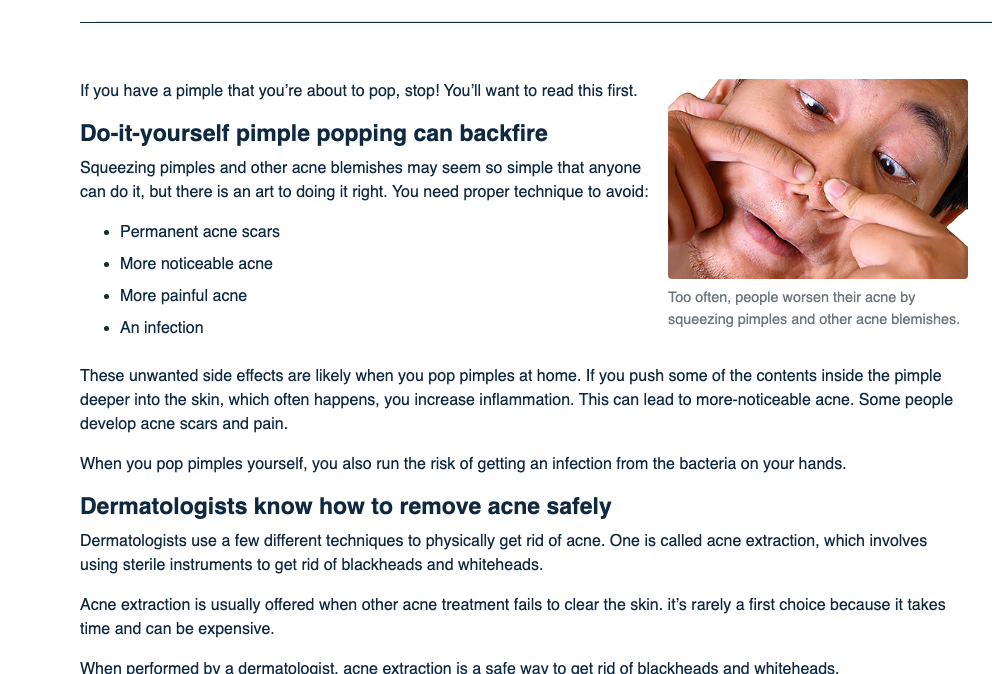
Some breakouts look short-lived at first and still leave a much longer memory behind. The reason is often not only the breakout itself. It is the extra handling around it. Once touching and pressing become part of the story, the mark can stay on the face long after the spot should have ended.

🫥 Why the mark becomes the bigger beauty problem
A breakout can be annoying, but it usually has a limited life. The mark is what disrupts the face for longer. It changes how clean the skin looks, how even makeup sits, and how quickly the complexion feels settled again. That is why the aftermath often matters more than the original bump.
Touching speeds up that shift from temporary breakout to longer visual problem.
🤏 How checking the spot keeps the story going
A lot of people touch a breakout not because they plan to pick it, but because they keep checking it. A finger presses, feels, reassesses, and comes back again. That repeated contact can be enough to keep the area active and visible for longer than it needed to be.
This is why the face can end up carrying evidence of the checking habit rather than evidence of the blemish alone.
🪞 What this means for the rest of the face
A persistent mark changes more than one spot. It can pull attention away from cleaner skin, make complexion makeup feel fussier, and create the impression that the whole face is less settled than it really is. That is why reducing touching can improve the overall reading of the face faster than people expect.
The calmer the spot is allowed to stay, the sooner the rest of the complexion starts looking more even again.
✨ The better beauty logic
If the goal is a face that looks calmer faster, the best move is often less interference, not more. A breakout that is left alone has a better chance of ending as a short interruption instead of a long afterimage.
Sources
Get new beauty and wardrobe edits in your inbox.
Read next
- How to Use Niacinamide with a Moisturizer
Apply a niacinamide serum after cleansing and before moisturizer; if niacinamide is already in your moisturizer, use that single step instead of doubling up.
- How to Use Ceramide Moisturizer After Retinol
Use ceramide moisturizer after retinol by applying retinol first on dry skin, then sealing it in with a simple ceramide cream that calms dryness without piling on too many extra actives.
- How to Use Salicylic Acid Around the Nose Without Peeling
Use salicylic acid around the nose in a small zone, at a slower pace, and with moisturizer support so the area clears gradually instead of turning tight, flaky, and irritated.